


1. Why Dynamic Aging Matters in Drilling-Fluid Qualification
Dynamic aging simulates two key conditions simultaneously:
Elevated temperature
Continuous movement
This combination allows engineers to evaluate:
Rheology
Emulsion stability
Fluid-loss characteristics
Sag resistance
Gel-strength development
With a realistic understanding of fluid behavior, mud engineers can make informed decisions on:
HPHT additive concentrations
Base-oil or brine selection
Wellbore-strengthening programs
Risk mitigation for gel or gas-cut muds
This makes the Roller Oven not just a testing device but a decision-making tool that directly contributes to safe, efficient drilling.
2. Built to Withstand Harsh Laboratory Environments
The Petropath system incorporates:
SS 316 internal chamber
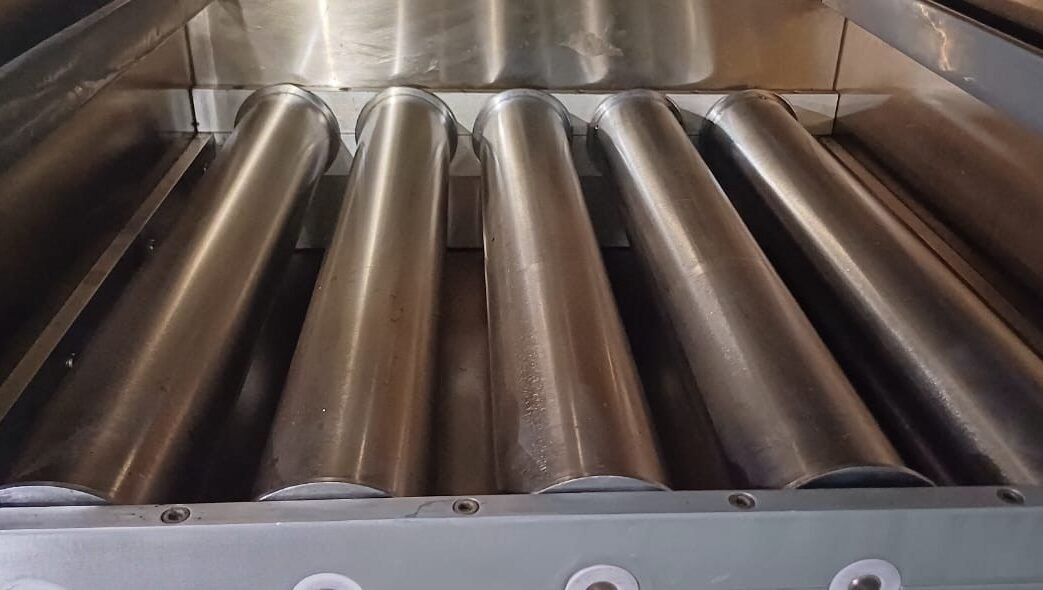
SS 316 roller assembly
Heavy-duty hinges
Airtight locking door
Oil- and brine-resistant components
The result? Long equipment lifespan even in labs handling chloride-rich fluids or high-oil-content muds.
The airtight locking mechanism also prevents accidental heat leaks, protecting technicians during high-temperature cycles and ensuring consistent results across tests.
3. Precision Engineering for Accurate HP/HT Results
Key engineering highlights include:
Balanced roller tubes that eliminate vibration
1000 W heating coil for rapid uniform temperature
Wide temperature range: 100–500 °F (38–260 °C)
Digital PID for tight temperature regulation
Analog dial for backup monitoring
Programmable timer up to 999 hours
Built for continuous seven-day operation
With ±2°F stability and redundancy systems, technicians can confidently run long-duration HPHT tests without fear of drift or failure.
4. High Sample Capacity for Comparative Testing
Most systems support:
Eight 500 ml stainless steel aging cells
Side-by-side comparative evaluations
High repeatability cross samples
This allows teams to reduce testing time, improve R&D efficiency, and compare fluid stability across multiple formulations in a single run.
5. High Temperature Mud Testing for Oil-Based, Water-Based & Synthetic Fluids
Oil-based mud (OBM)
Water-based mud (WBM)
Synthetic-based mud (SBM)
the Roller Oven can mimic the same thermal and mechanical stresses seen inside the wellbore.
Temperature and motion together help reveal:
Emulsion breakdown
Water separation
Oil-wet vs water-wet transitions
High-temperature sag
Changes in viscosity and flow properties
These insights feed directly into drilling decisions and fluid-conditioning strategies.
6. Proven Reliability in Rigs, R&D Labs & HPHT Campaigns
Roller Ovens used in mud labs and rig sites consistently deliver:
98% uptime during long-duration HPHT operations
Exceptional rheology repeatability (±1 cP)
Zero thermal-leakage incidents
Consistent fluid-aging profiles
When paired with aging cells, rheometers, and filtration equipment, the Roller Oven becomes the core of any drilling-fluid qualification workflow.
7. Simple, Safe & Technician-Friendly Operation
Despite its sophisticated construction, the Roller Oven is extremely easy to operate:
Load aging cells
Set temperature
Choose rotation speed
Start the controlled cycle
Dual thermometers, safety locks, and audible alerts make the system user-friendly even for new technicians.
This simplicity ensures:
Faster testing
Minimal errors
Reduced supervision
Better focus on data interpretation