
🔬 Introduction
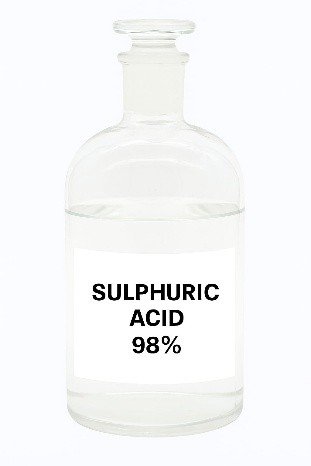
🧪 What is Sulphuric Acid?
📌 Key Properties
- Chemical Formula: H₂SO₄
- Molar Mass: 98.08 g/mol
- Boiling Point: ~337 °C
- Density: ~1.84 g/cm³ (concentrated)
- Appearance: Colorless to slightly yellow viscous liquid
- pH: <1 (strongly acidic)
🏭 Major Industrial Applications
1. Fertilizer Manufacturing (Primary Use)
Over 50% of global Sulphuric Acid production is used for fertilizer manufacturing. It converts phosphate rock into soluble phosphates such as superphosphate and ammonium phosphate, which are vital for agricultural productivity.
2. Petroleum Refining
In refining operations, Sulphuric Acid is crucial for alkylation processes that produce high-octane fuels. It also aids in removing impurities and enhancing fuel stability.
3. Chemical Manufacturing
Sulphuric Acid serves as a precursor for numerous compounds including:
Hydrochloric acid
Nitric acid
Synthetic detergents
Sulfate salts
Industrial dyes
This versatility is why demand for Sulphuric Acid applications continues to rise.
4. Battery Manufacturing
Lead-acid batteries in vehicles and UPS backup systems rely heavily on Sulphuric Acid for ion exchange and electrochemical reactions. High purity ensures longer battery life and stable performance.
5. Water Treatment
Sulphuric Acid helps balance pH, neutralize alkaline water, and treat wastewater by adjusting chemical composition for safe discharge.
6. Metal Processing & Pickling
During metal pickling, Industrial Sulphuric Acid removes rust, scale, and impurities from metal surfaces before galvanizing, coating, or plating.
🌟 Advantages
Highly Versatile – Works across petroleum, agriculture, manufacturing, and chemical industries
Cost-Effective – Delivers high efficiency even in small quantities
Mass Production Capabilities – Easy to scale for industrial volumes
Stable Shelf Life – Retains effectiveness when stored properly
These strengths make it a preferred choice among Sulphuric Acid suppliers worldwide.
⚠️ Safety & Handling Guidelines
- Use complete PPE: gloves, goggles, face shield, apron
- Store in acid-resistant containers
- Always add acid to water, never the reverse
- Ensure good ventilation
- Neutralize accidental spills using sodium bicarbonate