

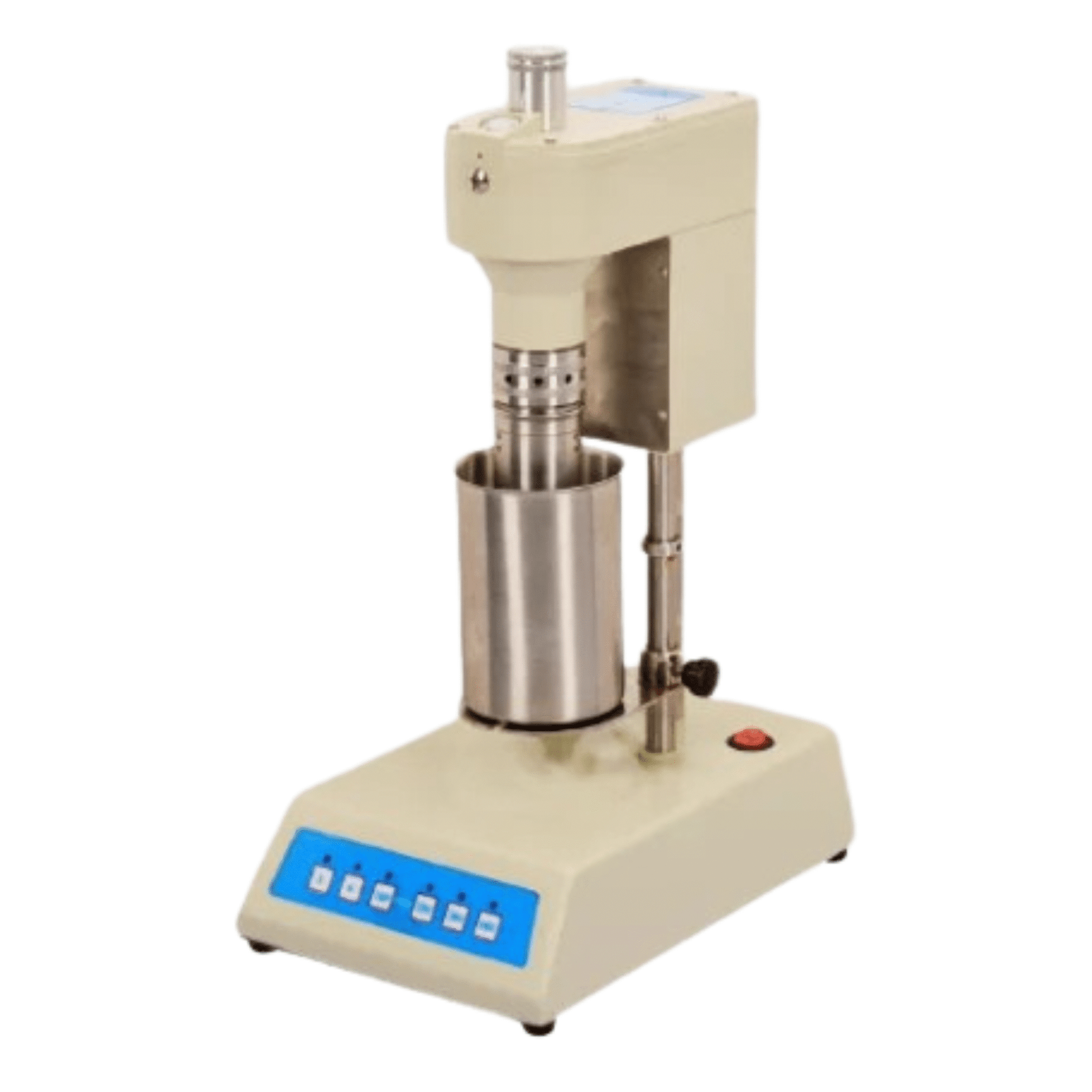
What Is a 6-Speed Viscometer?
Why Six Speeds? The Power Behind the Measurement
Low-Speed Measurements (3 and 6 RPM)
Evaluate gel strength
Determine how effectively the fluid suspends cuttings
Predict mud properties during pump shutdown or static conditions
High-Speed Measurements (300 and 600 RPM)
Analyze fluid viscosity during circulation
Support calculation of flow properties such as PV and YP
Assist in predicting pressure loss and optimizing hydraulic performance
These multi-speed readings ensure that the 6-Speed Viscometer provides comprehensive insights that are essential for real-time drilling fluid analysis.
Key Parameters Measured by the 6-Speed Viscometer
1. Plastic Viscosity (PV)
This indicates the internal resistance of the mud to flow. Plastic viscosity usually increases with a rise in solids or contaminants in the fluid. Controlled PV ensures efficient hole cleaning and reduces torque and drag.
2. Yield Point (YP)
Yield Point represents the carrying capacity of the drilling fluid—its ability to lift and transport cuttings out of the wellbore. A properly balanced YP ensures safe drilling and prevents stuck pipe incidents.
3. Gel Strength
Gel strength shows how well the mud suspends drilled cuttings when circulation stops. High-quality mud systems must maintain sufficient gel strength without causing excessive pump pressures.
Applications
- Real-time monitoring of drilling fluid performance
- Troubleshooting hole cleaning, pressure fluctuations, and flow issues
- Optimizing mud properties across multiple formations
- Supporting advanced rheological modeling for complex wells
- Ensuring compliance with industry standards and environmental guidelines
Why the 6-Speed Viscometer Is Essential for Drilling Fluid Analysis
- Improved hole cleaning
- Enhanced wellbore stability
- Reduced drilling risks
- Lower fluid costs through precise formulation adjustments
- Efficient hydraulics and pressure management
Petropath’s Expertise in Oilfield Fluid Testing
- Conduct comprehensive drilling fluid analysis
- Perform quality checks on additives and chemicals
- Deliver real-time reports for field operations
- Optimize mud systems based on regional and geological conditions