

Bentonite Mud System for HDD: A Practical Guide to Better Drilling
Bentonite Mud System for HDD plays an important role in horizontal directional drilling, helping contractors manage cuttings removal, borehole conditions, and friction during underground utility installation. Whether a project involves water pipelines, sewer networks, fibre-optic cables, or road crossings, drilling fluid must be matched to the ground conditions and the planned bore path. Petropath Fluids India Ltd. supplies drilling-fluid products for HDD and related applications. For each site, Bentonite Mud System for HDD selection should reflect the actual drilling conditions.
Understanding the Role of Bentonite in HDD
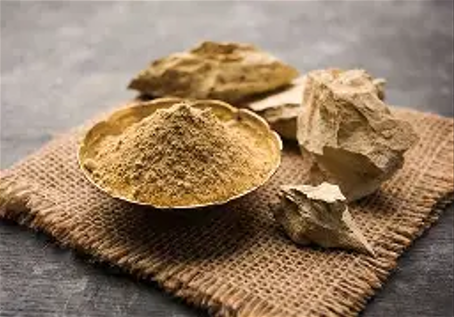
Bentonite is a naturally occurring clay that develops viscosity when mixed with suitable water. In a Bentonite Mud System for HDD, the resulting fluid circulates through the drill string and borehole, carrying excavated material towards the surface. Depending on the formulation and formation, it can also contribute to borehole support and reduce friction between the drilling tools and surrounding ground.
The performance of a drilling fluid depends on more than the bentonite itself. Water quality, product grade, mixing method, concentration, soil permeability, and other additives all influence the finished mud. Contractors should establish fluid requirements before drilling rather than assuming one formulation will work for every site.
Start with Ground Conditions
Different soils create different drilling challenges. Sandy formations may absorb drilling fluid, while clay-rich soils can produce sticky cuttings. Gravel, mixed ground, and fractured formations can introduce additional difficulties. Selecting a Bentonite Mud System for HDD should therefore begin with an assessment of the geological profile, groundwater conditions, bore length, bore diameter, and installation requirements.
Discuss the expected ground conditions with a qualified mud engineer or drilling-fluid supplier. Establish target fluid properties and a suitable monitoring plan before starting the pilot bore. Adjustments may be necessary as the bore passes through changing formations. Before pilot drilling, assess whether the Bentonite Mud System for HDD meets the project’s fluid-property targets.
Maintain Effective Cuttings Transport
One of the main jobs of HDD drilling fluid is to carry cuttings out of the borehole. Appropriate viscosity and gel strength help suspend solids and move them towards the surface. If the fluid is too thin, cuttings may settle and accumulate. If it is excessively thick, pumping and solids separation may become more difficult.
A properly managed Bentonite Mud System for HDD balances cuttings transport with pumpability. Operators should monitor fluid returns, observe the volume and condition of recovered mud, and check relevant properties throughout the operation. Consistent monitoring can help identify problems before they lead to unnecessary delays. During circulation, Bentonite Mud System for HDD performance should be reviewed alongside returns and measured mud properties.
Support Borehole Conditions
Drilling fluid can contribute to borehole support by maintaining suitable pressure within the hole and forming a filter cake in appropriate formations. This can help limit fluid invasion and reduce the risk of instability. However, performance varies with soil type, groundwater, fluid properties, and drilling practices.
A Bentonite Mud System for HDD cannot guarantee borehole stability under every condition. Contractors must also consider drilling parameters, reaming practices, fluid pressure, and site-specific engineering requirements. They should monitor fluid losses and follow the project’s response plan if inadvertent returns or other unexpected conditions occur.
Manage Friction During Drilling and Pullback
During long crossings, friction between the drill string, reaming tools, and borehole wall can affect equipment loading and pipe installation. Circulating drilling fluid provides lubrication that may help reduce mechanical resistance. The level of lubrication depends on the complete fluid formulation and the surrounding formation, not bentonite alone.
The aim of a Bentonite Mud System for HDD is to maintain a balance between suspension, lubrication, and efficient pumping. Monitoring torque, drag, circulation, and mud properties helps the drilling crew evaluate whether the system is performing as intended.
Mixing and Field Monitoring
Consistent mixing is essential for predictable fluid performance. Add bentonite gradually using suitable mixing equipment and follow the supplier’s recommended mixing procedure. Allow sufficient time for dispersion and hydration where required. Poor mixing can produce lumps and uneven fluid properties.
Before drilling, test the prepared mud against the project’s requirements. Depending on the programme, checks may include viscosity, gel strength, density, sand content, and fluid returns. Continue monitoring during drilling and record any changes or adjustments.
Avoid adding more bentonite simply because the fluid appears thin. First check water quality, mixing conditions, and measured properties. Water quality testing helps determine how the Bentonite Mud System for HDD will develop viscosity. Use additional additives only when appropriate, and confirm their compatibility with the chosen bentonite and water source.
Common Selection Mistakes to Avoid
Choosing a product based only on price may overlook the technical needs of the bore. Contractors should compare product documentation, recommended mixing procedures, packaging, supply consistency, and access to application support. Excessive solids loading can also make a fluid harder to pump and process.
A Bentonite Mud System for HDD should be evaluated against the actual job requirements, including geology, water chemistry, equipment capacity, bore geometry, and the fluid management plan. Laboratory testing or a controlled field trial can help establish a suitable starting formulation. Documenting results from a Bentonite Mud System for HDD trial supports informed adjustments on future jobs.
Applications Across Infrastructure Projects
HDD drilling fluids are used in trenchless installation of water and sewer pipelines, fibre-optic and telecommunications networks, electrical conduits, and other underground utilities. They are also important for road, railway, and waterway crossings where open excavation may cause significant surface disruption.
For every application, the Bentonite Mud System for HDD should be selected according to the site conditions and project specifications. Contractors must also follow applicable environmental requirements for fluid containment, inadvertent returns, recovery, and disposal.
Choosing a Suitable Supplier
Before ordering, ask for current product specifications, quality documentation, packaging options, delivery schedules, and technical guidance. Share the planned application, water source, and expected ground conditions so that suitability can be assessed.
Petropath Fluids India Ltd. supplies drilling-fluid products for HDD and related operations. Contact the company to confirm its current product range, technical recommendations, and supply options for your project. Confirm the Bentonite Mud System for HDD grade before ordering.
Conclusion
A Bentonite Mud System for HDD supports cuttings transport, borehole management, and lubrication during trenchless drilling. Reliable performance depends on matching the fluid to ground conditions, preparing it correctly, and monitoring its properties throughout the operation. Reviewing technical documentation and working with experienced drilling-fluid personnel can help contractors select an appropriate system for their planned bore.
Contact our team today to request a quote, get technical guidance, or explore customization options for your HTHP testing needs.
We provide worldwide delivery, custom configurations, and technical support tailored to your operational needs.