
Caustic Soda: The Powerful pH Control Solution for More Stable Drilling Fluids
Caustic Soda plays an important role in maintaining the chemical balance of water-based drilling fluids. During drilling, mud systems can encounter acidic contaminants, changing formation conditions and interactions between different additives. If alkalinity is not managed properly, these changes can affect fluid properties, equipment protection and the consistency of drilling operations. A controlled pH range helps maintain a suitable environment for the drilling-fluid system and supports the performance expected from its ingredients.
For drilling teams, the objective is not simply to raise pH as high as possible. It is to monitor the mud, understand what is changing and make measured adjustments based on actual field conditions. Sodium hydroxide is used for this purpose because it is strongly alkaline and dissolves readily in water. When selected and handled correctly, Caustic Soda can help maintain the required alkalinity in a water-based mud system.
Why pH Management Matters in a Drilling Fluid System
Drilling fluid performs several jobs at the same time. It helps transport drilled cuttings, supports wellbore stability, transfers pressure and assists with cooling and lubrication. Its performance depends on a balance of physical and chemical properties. pH is one of the important chemical indicators because it influences the environment in which clay minerals, polymers and other additives function.
When acidic materials enter a mud system, the pH may fall. Changes in alkalinity can affect clay behaviour and the response of selected additives. Acidic conditions may also increase the risk of corrosion in susceptible metal components. Regular monitoring therefore helps operators identify a developing imbalance before it becomes a larger operational concern.
The correct pH target is specific to the mud formulation, materials in use and site conditions. A value that is suitable for one system should not automatically be applied to another. Field measurements and the guidance of the mud engineer should determine the adjustment required.
What Is Caustic Soda?
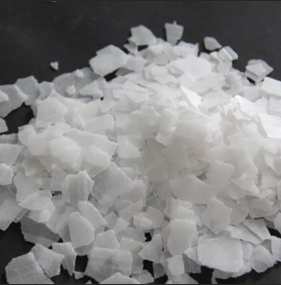
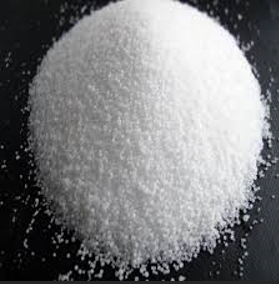
Caustic Soda is the common name for sodium hydroxide (NaOH), a strong alkaline chemical supplied in solid forms such as flakes or pellets. The Caustic Soda product described by Petropath Fluids India Ltd. is intended for drilling-fluid pH control, particularly in water-based mud applications.
When dissolved in water, sodium hydroxide separates into sodium ions and hydroxide ions. The hydroxide ions increase alkalinity and help neutralise acidic contaminants. This is why the chemical is used as a pH-adjusting agent rather than as a general-purpose replacement for the other ingredients in a drilling-fluid formulation.
The product information lists a purity of at least 98%, a white flake or pellet appearance, high water solubility and a molecular weight of 40 g/mol. A 1% solution is listed with a pH of 13–14. These are product specifications; actual field performance will also depend on water quality, mud composition, dosage and operating conditions.
How It Supports Alkalinity Control
The main purpose of adding Caustic Soda is to bring a mud system toward its required pH range. As hydroxide ions react with acidic components, the system’s alkalinity changes. This can help restore conditions needed for the intended performance of the fluid.
In water-based systems containing bentonite or other clays, Caustic Soda-based pH management can support hydration and dispersion. These processes contribute to the development of the mud’s structure and viscosity. The chemical may also help create conditions in which selected polymers and viscosifiers perform as intended. It does not guarantee a particular viscosity or rheology on its own; those properties depend on the complete formulation and the condition of the circulating fluid.
A stable chemical environment created with correctly managed Caustic Soda treatment can also support the performance of other additives. However, compatibility should be assessed for the actual combination of products being used. Operators should avoid assuming that every additive will respond identically to a pH adjustment.
Where It Is Used in Oilfield Operations
In water-based drilling mud, Caustic Soda is used when testing indicates that alkalinity needs adjustment. It can be part of a planned mud-treatment programme or a measured response to acidic contamination. The product page identifies several related uses:
pH adjustment: helping maintain the alkalinity specified for the drilling-fluid system.
Acid neutralisation: reacting with acidic contaminants that enter the mud.
Clay hydration support: helping maintain conditions that support bentonite hydration and dispersion.
Polymer performance: supporting the alkaline environment required by selected polymers and viscosifiers.
Equipment protection: reducing acidic conditions that can contribute to corrosion, when used as part of an appropriate corrosion-control programme.
The source product information also refers to the controlled neutralisation of gases such as carbon dioxide and hydrogen sulphide. These substances present serious operational and safety hazards. Their management must follow site-specific engineering controls, approved procedures and specialist guidance; a pH additive alone is not a gas-safety measure.
Practical Considerations Before Treatment
A sound Caustic Soda treatment decision starts with measurement. Check the current mud pH and review the fluid condition, contamination history and treatment records. Consider whether the change is linked to make-up water, formation contaminants, chemical additions or another operational factor. This context helps the mud engineer decide whether an alkalinity adjustment is appropriate.
The product information gives a typical pH range of 9.5–11.5 as an initial-treatment reference, not a universal target for every well or formulation. The required amount of Caustic Soda depends on the starting pH, contamination level and drilling conditions. Additions should be made in controlled, small increments, with suitable mixing and repeat testing between adjustments. Avoid estimating a fixed dose without testing the actual mud.
Safe handling is essential because sodium hydroxide is highly caustic and can cause severe chemical burns. Personnel should follow the product safety data sheet and site procedures, use appropriate protective equipment, and prevent contact with skin and eyes. Always add and dissolve the material using the approved site method; dissolution can release heat. Keep the product protected from moisture and incompatible materials, and ensure that trained personnel supervise preparation and treatment.
Product Specifications and Packaging
Petropath Fluids India Ltd. lists the following product details for its Caustic Soda drilling-fluid grade:
| Parameter | Product information |
| Product | Caustic Soda |
| Chemical name | Sodium Hydroxide (NaOH) |
| Appearance | White flakes or pellets |
| Purity | 98% minimum |
| Solubility | Highly soluble in water |
| pH of 1% solution | 13–14 |
| Molecular weight | 40 g/mol |
| Application | Drilling-fluid pH control |
Available packaging options include 25 kg HDPE bags, 50 kg industrial bags and bulk packaging for larger requirements. Confirm the required pack size, handling arrangements and current availability with the supplier before placing an order.
Choosing a Reliable Supply Partner
Chemical consistency, clear product information and dependable supply all matter when planning drilling-fluid treatments. Buyers should review the product specification, confirm that it suits the intended mud system and obtain the relevant safety documentation before use. They should also discuss application conditions with their mud engineer rather than selecting a treatment solely on the basis of a generic dosage recommendation.
Petropath Fluids India Ltd. supplies drilling-fluid additives and oilfield specialty chemicals, alongside mud engineering solutions and laboratory testing equipment. Its Caustic Soda product is positioned for pH management in water-based drilling-fluid systems. For a project-specific requirement, share the application, estimated quantity and delivery location so the supplier can respond with relevant product and logistics information.
Conclusion
Effective pH management is an important part of maintaining a consistent water-based drilling-fluid system. Caustic Soda provides a strong alkaline source that can help neutralise acidic contaminants, support clay hydration and maintain conditions for selected additives. Its value depends on accurate testing, appropriate treatment decisions, compatibility checks and safe handling—not simply on adding more chemical.
For drilling operations that require a dependable pH-control material, Petropath Fluids India Ltd. offers a product specified for this application, with multiple packaging options. Consult your mud engineer, review the product documentation and select treatment quantities according to the actual condition of the fluid.
Need Caustic Soda for your drilling-fluid application?
Contact Petropath Fluids India Ltd. to discuss product specifications, packaging and supply requirements.
Contact our team today to request a quote, get technical guidance, or explore customization options for your HTHP testing needs.
We provide worldwide delivery, custom configurations, and technical support tailored to your operational needs.