

CO₂ Cartridge in Mud Testing Equipment: 7 Powerful Ways to Improve Oilfield Testing Accuracy
CO₂ Cartridge in Mud Testing Equipment plays an important role in maintaining reliable pressure during drilling fluid analysis. In oil and gas operations, drilling mud must be tested regularly to understand its filtration behaviour, density and suitability for changing well conditions. These measurements help mud engineers monitor fluid performance and make informed decisions at the rig site and in the laboratory. A dependable pressure source is therefore essential, and a purpose-designed CO₂ cartridge offers a compact option for many mud testing applications.
Drilling fluid testing is not simply a routine laboratory task. The results help teams assess whether the mud can support wellbore stability, transport drilled cuttings and contribute to pressure control. The CO₂ Cartridge in Mud Testing Equipment is part of the pressure arrangement used in some of these evaluations. If the testing setup does not maintain the pressure required by the instrument, the result may be inconsistent or difficult to compare. The cartridge supplies gas pressure to compatible testing assemblies, supporting repeatable procedures when the cartridge, regulator and instrument are correctly matched.
What Is a CO₂ Cartridge in Mud Testing Equipment?
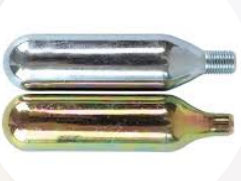
A CO₂ Cartridge in Mud Testing Equipment is a compact, high-strength steel cylinder containing compressed carbon dioxide. It is used as a pressure source in selected drilling fluid test instruments. Instead of relying on a large compressor or a manual pressure arrangement, technicians can use a compatible cartridge and regulator assembly to provide pressure for the test.
The cartridge is a consumable component, not a measuring instrument. The CO₂ Cartridge in Mud Testing Equipment supplies pressure; it does not replace the instrument’s measurement function. Its role is to supply the pressure required by the equipment; the instrument itself measures the drilling fluid property being evaluated. Correct installation, a suitable regulator and adherence to the equipment manufacturer’s instructions are essential for safe and dependable operation.
7 Important Benefits for Oilfield Testing
1. Consistent Pressure for Repeatable Tests
The CO₂ Cartridge in Mud Testing Equipment is selected to match the pressure needs of the test assembly.
Stable and controlled pressure is important when conducting filtration tests. A suitable CO₂ cartridge can provide the pressure source required by a compatible filter press assembly. Maintaining the prescribed test conditions helps technicians compare results across samples and testing periods. The cartridge does not guarantee accuracy on its own: calibration, clean equipment, correct test duration and proper sample preparation also matter.
2. Compact and Portable Design
A CO₂ Cartridge in Mud Testing Equipment is especially useful when a portable pressure source is needed.
Mud testing may take place in a central laboratory, at a drilling rig or at a remote field location. A compact cartridge is easier to store and transport than a bulky pressure system. This makes the cartridge a practical option where space is limited and technicians need a portable supply for compatible instruments.
3. A Convenient Alternative to Larger Pressure Systems
For suitable instruments, a CO₂ Cartridge in Mud Testing Equipment can simplify the pressure setup.
For instruments designed to use disposable gas cartridges, the cartridge-based arrangement can reduce the need to set up a separate compressor. This can simplify preparation and help keep a field testing kit compact. The correct pressure regulator and connection must always be used; a cartridge should never be connected directly to equipment that is not designed for it.
4. Supports Sample Integrity
Using a clean gas supply for a CO₂ Cartridge in Mud Testing Equipment helps avoid introducing compressor oil through the pressure source.
Clean gas supply is important in laboratory work because unwanted oil or other contaminants can affect a sample or the test assembly. High-purity CO₂ intended for testing applications can help avoid introducing compressor oil into the pressure system. Technicians should still keep the mud cell, fittings and other wetted components clean and follow the instrument’s cleaning procedure.
5. Useful Across Different Testing Setups
A CO₂ Cartridge in Mud Testing Equipment may serve compatible instruments in the same testing facility.
A cartridge can support more than one type of mud testing instrument when the equipment is specifically designed for the cartridge and the connection is compatible. This makes it useful to drilling fluid laboratories that work with filtration and density testing equipment. Compatibility should be confirmed from the instrument and regulator specifications rather than assumed from the cartridge’s appearance or thread alone.
6. Simple Consumable Replacement
The CO₂ Cartridge in Mud Testing Equipment should be replaced only by following the equipment maker’s procedure.
Many cartridge systems use a single-use cylinder. Once its contents have been used, the empty cartridge is replaced according to the manufacturer’s instructions. This avoids refilling a small disposable cylinder in the field, but replacement must be carried out safely, with the assembly depressurised as specified by the equipment manual. Used cylinders should be handled and disposed of under applicable local requirements.
7. Practical for Field and Laboratory Work
A CO₂ Cartridge in Mud Testing Equipment can be carried as part of an appropriately equipped field kit.
A portable pressure source can be useful when technicians need to carry out routine checks away from a fully equipped laboratory. The cartridge can form part of a field kit for compatible filter press or pressurised mud balance systems. Its value comes from combining portability with a pressure source suited to the instrument’s requirements.
Technical Specifications to Check
The product specifications provided for this cartridge include:
Parameter | Specification |
|---|---|
Cylinder material | High-strength steel |
Gas filling | CO₂, purity ≥ 99.9% |
Capacity | 45–60 g |
Working pressure | Approximately 850 psi at 21°C |
Burst pressure | More than 1,800 psi |
Dimensions | 88 mm × 22 mm |
Weight | 60–65 g |
Thread type | 3/8″-24 UNF |
Operating temperature range | -20°C to +50°C |
These values are product specifications, not universal operating limits for every mud testing instrument. The CO₂ Cartridge in Mud Testing Equipment should always be assessed against the instrument’s approved limits. Actual pressure at the point of use depends on temperature, regulator design and the equipment’s rated limits. Always verify the cartridge and regulator requirements against the instrument manual. Never exceed the maximum pressure specified for the test cell or its fittings.
Where Are CO₂ Cartridges Used in Mud Testing?
API Low-Pressure Filter Press
In this setup, a CO₂ Cartridge in Mud Testing Equipment provides the gas pressure specified for the test.
A low-pressure filter press evaluates the filtration characteristics of drilling fluid under specified test conditions. The sample is placed in the test cell, and controlled pressure drives filtrate through the filter medium. The collected filtrate volume and the resulting filter cake observations help engineers assess fluid-loss behaviour. A compatible cartridge supplies the pressure required by the assembly.
HPHT Filter Press
A CO₂ Cartridge in Mud Testing Equipment is appropriate only if the specific HPHT unit is designed for that pressure source.
High-pressure, high-temperature filtration equipment is used to evaluate drilling fluid behaviour under controlled elevated test conditions. These systems have specific pressure, temperature and connection requirements. A cartridge may be used only where the instrument design and approved pressure arrangement call for it; the test equipment’s operating procedure always takes priority.
Pressurised Mud Balance
The CO₂ Cartridge in Mud Testing Equipment must match the balance’s approved pressure assembly.
A pressurised mud balance is designed to reduce the effect of entrained air when measuring drilling fluid density. The pressure assembly helps condition the sample in accordance with the instrument procedure, supporting a more representative density reading. The cartridge is suitable for this application only when the balance is designed for the relevant cartridge and regulator.
Choosing the Right Cartridge
When purchasing a CO₂ Cartridge in Mud Testing Equipment, check the gas type and purity, cartridge capacity, thread specification, regulator compatibility and the instrument’s pressure rating. Also confirm the operating temperature range and the supplier’s handling guidance. A matching thread does not by itself establish safe compatibility. Use only the regulator and accessories approved for the particular test instrument, inspect connections before use and keep cartridges away from heat or physical damage.
A CO₂ Cartridge in Mud Testing Equipment is one of the consumables laboratories may need to source consistently. For laboratories and field teams sourcing oilfield mud testing supplies, product consistency and technical support are important considerations. Clear specifications make it easier to confirm whether a cartridge is suitable for the intended equipment and testing procedure.
Why Choose Petropath Fluids India Limited?
Petropath Fluids India Limited supplies drilling fluid testing products and oilfield laboratory consumables. Its CO₂ cartridge offering is specified with high-purity gas, a steel cylinder and dimensions and connection details intended to help customers identify a suitable cartridge for compatible mud testing equipment.
When selecting a CO₂ Cartridge in Mud Testing Equipment, buyers should consider the instrument requirements as well as the cartridge specifications. Petropath provides product information and technical assistance to help customers check suitability for their testing setup. For procurement, confirm the required capacity, connection and regulator arrangement before ordering a CO₂ Cartridge in Mud Testing Equipment.
FAQs
They deliver up to 850 psi at room temperature—perfect for drilling fluid testing equipment.
No. Each cartridge is single-use for maximum safety and consistency.
The listed specification is high-purity CO₂ at 99.9% or higher. Check the current product documentation for the batch-specific specification.
They fit API filter presses, HPHT filter presses, and pressurized mud balances.
Use the cartridge only with an approved regulator and compatible instrument. Follow the manufacturer’s installation and removal instructions, protect the cylinder from heat and damage, and observe local requirements for storage, transport and disposal.
Conclusion
Reliable pressure is an important part of obtaining useful drilling fluid test results. A suitable cartridge provides a compact source of CO₂ for compatible filter presses and pressurised mud balances, helping technicians carry out routine laboratory and field evaluations without setting up a larger pressure supply. Selection should always be based on the instrument’s approved connection and pressure requirements, not on thread fit alone.
For drilling fluid laboratories, rig-site teams and oilfield service providers, the right CO₂ Cartridge in Mud Testing Equipment can support an organised and repeatable testing process. Review the technical specifications for a CO₂ Cartridge in Mud Testing Equipment, confirm compatibility with the regulator and instrument, and follow the prescribed safety procedures before use.