

Introduction
In modern oil and gas operations, maintaining drilling efficiency is critical to reducing operational costs and ensuring safety. One of the most important performance indicators in drilling fluids is lubricity. A Lubricity Meter for Drilling Fluid Testing plays a vital role in measuring and optimizing this parameter.
From minimizing torque and drag to preventing excessive tool wear, accurate mud lubricity evaluation ensures smoother drilling performance. This guide explains everything you need to know about lubricity measurement, film strength analysis, and why advanced testing equipment is essential for today’s drilling operations.
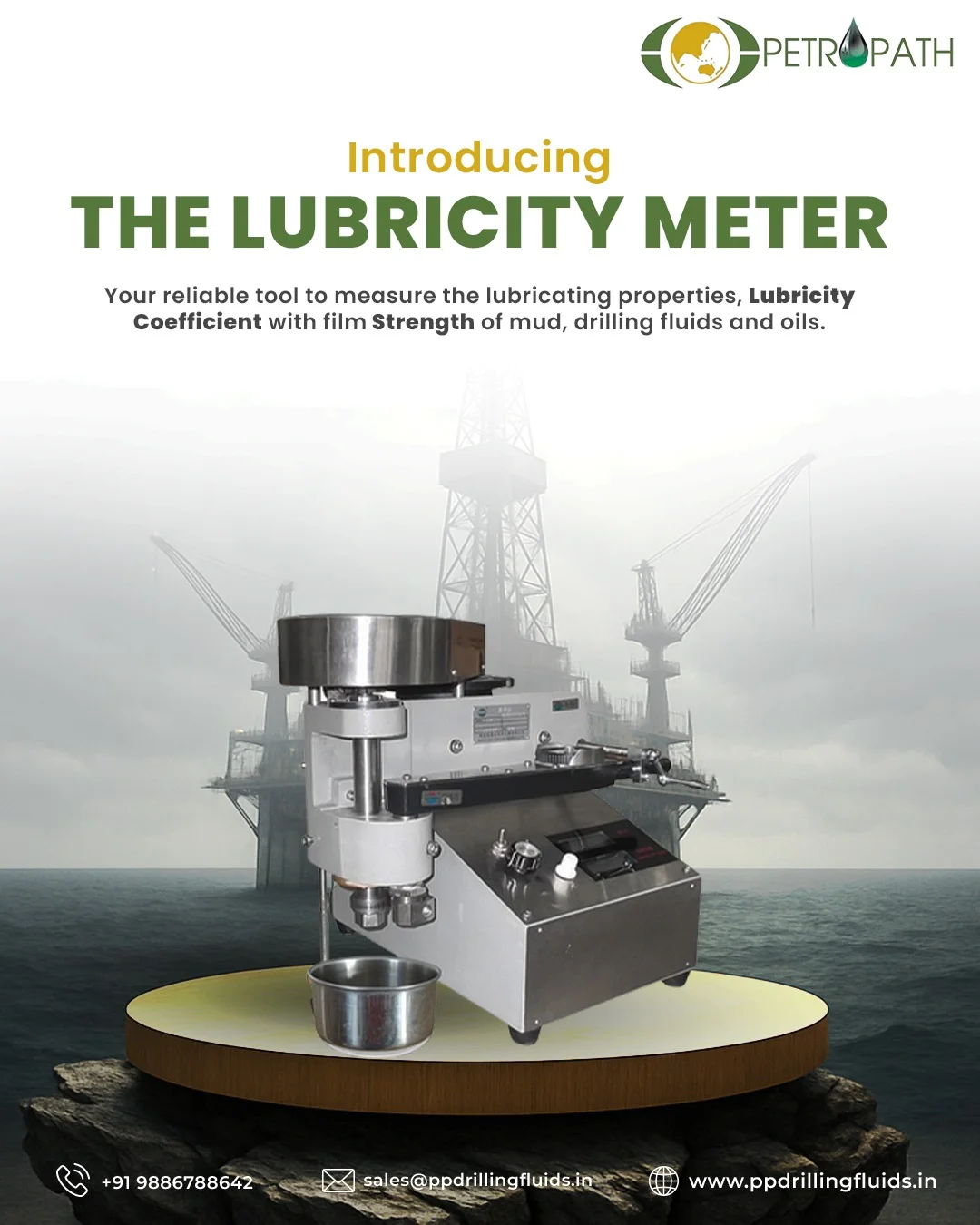
What is a Lubricity Meter for Drilling Fluid Testing?
A Lubricity Meter for Drilling Fluid Testing is a laboratory instrument designed to simulate downhole friction conditions. It measures how effectively drilling fluids reduce friction between metal surfaces under pressure.
The instrument evaluates:
Lubricity coefficient measurement – Determines how slippery the drilling fluid is.
Film strength testing in drilling fluids – Assesses the protective layer formed between metal surfaces.
Torque and drag simulation – Replicates real drilling conditions for accurate analysis.
By replicating real-world drilling stress, the device allows engineers to fine-tune mud systems before field deployment.
Understanding Key Concepts in Mud Lubricity Testing
1️⃣ Lubricity
Lubricity refers to a drilling fluid’s ability to reduce friction, torque, and wear. Higher lubricity ensures smoother drilling operations, lower mechanical stress, and improved wellbore stability.
2️⃣ Lubricity Coefficient Measurement
The lubricity coefficient is a numerical representation of the fluid’s friction-reducing capability.
Lower coefficient = Better lubrication
Higher coefficient = Increased friction and wear
Accurate lubricity coefficient measurement helps optimize mud formulations and prevent operational inefficiencies.
3️⃣ Film Strength Testing in Drilling Fluids
Film strength defines the fluid’s ability to maintain a protective layer between metal surfaces. Without sufficient film strength, drill strings and casing components experience premature wear and possible failure.
Effective film strength testing in drilling fluids ensures long tool life and operational safety.
Why Lubricity Matters in Drilling Operations
Poor lubricity leads to:
Stuck pipe incidents
Excessive torque and drag
Increased non-productive time (NPT)
Higher mechanical wear
Increased operational costs
By using a Lubricity Meter for Drilling Fluid Testing, drilling engineers can detect performance issues early and correct them before they escalate.
Accurate mud lubricity testing directly contributes to:
Reduced downtime
Improved drilling speed
Lower maintenance costs
Enhanced wellbore stability
Key Features of Advanced Lubricity Meters
Modern drilling fluid testing equipment offers:
✔ High-Precision Sensors
Ensures accurate lubricity coefficient measurement under simulated downhole conditions.
✔ Durable Construction
Designed for both laboratory and field testing environments.
✔ Easy Calibration
Quick setup and minimal maintenance reduce operational delays.
✔ Real-Time Data Display
Provides instant torque and film strength readings for fast decision-making.
Applications of Lubricity Meter for Drilling Fluid Testing
The versatility of a lubricity meter extends across multiple oilfield operations:
Testing Oil-Based Mud (OBM) systems
Evaluating Water-Based Mud (WBM) performance
Monitoring film strength during drilling
Assessing lubricant additives
Improving torque and drag management
Reducing mechanical wear on drill strings
Whether used by mud engineers, drilling contractors, or service providers, this equipment is indispensable for maintaining drilling fluid quality.
How Lubricity Testing Improves Drilling Performance
1. Optimizes Mud Formulations
Engineers can adjust additives and lubricants based on lubricity coefficient measurement data.
2. Prevents Equipment Failure
Early detection of poor lubricity prevents costly breakdowns.
3. Enhances Operational Efficiency
Lower friction allows faster penetration rates and smoother operations.
4. Extends Tool Life
Proper film strength testing in drilling fluids ensures long-lasting equipment performance.
Choosing the Right Drilling Fluid Testing Equipment
When selecting a Lubricity Meter for Drilling Fluid Testing, consider:
Accuracy and repeatability
Compliance with industry testing standards
Ease of calibration
Durability in harsh environments
Availability of technical support
Investing in high-quality drilling fluid testing equipment ensures reliable results and long-term operational savings.
Best Practices for Mud Lubricity Testing
To achieve consistent results:
Calibrate the instrument regularly
Maintain clean testing surfaces
Use standardized testing procedures
Record and analyze historical data
Monitor trends in lubricity coefficient measurement
Consistent testing helps prevent performance fluctuations and supports proactive drilling management.
The Future of Lubricity Measurement in Oilfields
With increasingly complex well designs and extended-reach drilling, lubricity requirements are becoming more demanding. Advanced Lubricity Meter for Drilling Fluid Testing systems now incorporate improved torque simulation, digital data logging, and enhanced precision sensors.
As drilling technology evolves, accurate mud lubricity testing will remain essential for:
Deepwater drilling
Horizontal wells
High-pressure high-temperature (HPHT) environments
Extended reach drilling operations
Conclusion: Why Lubricity Meter for Drilling Fluid Testing is Essential
In oilfield operations, small inefficiencies can result in significant financial losses. A Lubricity Meter for Drilling Fluid Testing ensures that drilling fluids perform optimally under demanding downhole conditions.
By enabling precise mud lubricity testing, accurate lubricity coefficient measurement, and reliable film strength testing in drilling fluids, this equipment plays a critical role in improving efficiency, reducing wear, and minimizing downtime.
For drilling professionals seeking enhanced performance, reduced operational costs, and improved safety standards, investing in advanced drilling fluid testing equipment is not optional — it is essential.
Email: info@ppdrillingfluids.in