

Introduction
Industrial growth is essential for economic development, but it also generates a significant environmental challenge—wastewater pollution. Industries release large volumes of contaminated water filled with chemicals, oils, heavy metals, and suspended solids. If discharged untreated, these pollutants can damage ecosystems, contaminate drinking water sources, and harm public health.
An Effluent Treatment Plant plays a crucial role in solving this problem. It is a specialized system designed to treat industrial wastewater before it is discharged into the environment or reused for other purposes.
At Petropath Fluids India Limited, we provide advanced Effluent Treatment Plant solutions designed to meet strict environmental regulations while helping industries operate sustainably. Our systems combine modern engineering, automation, and eco-friendly processes to ensure reliable and efficient wastewater treatment.
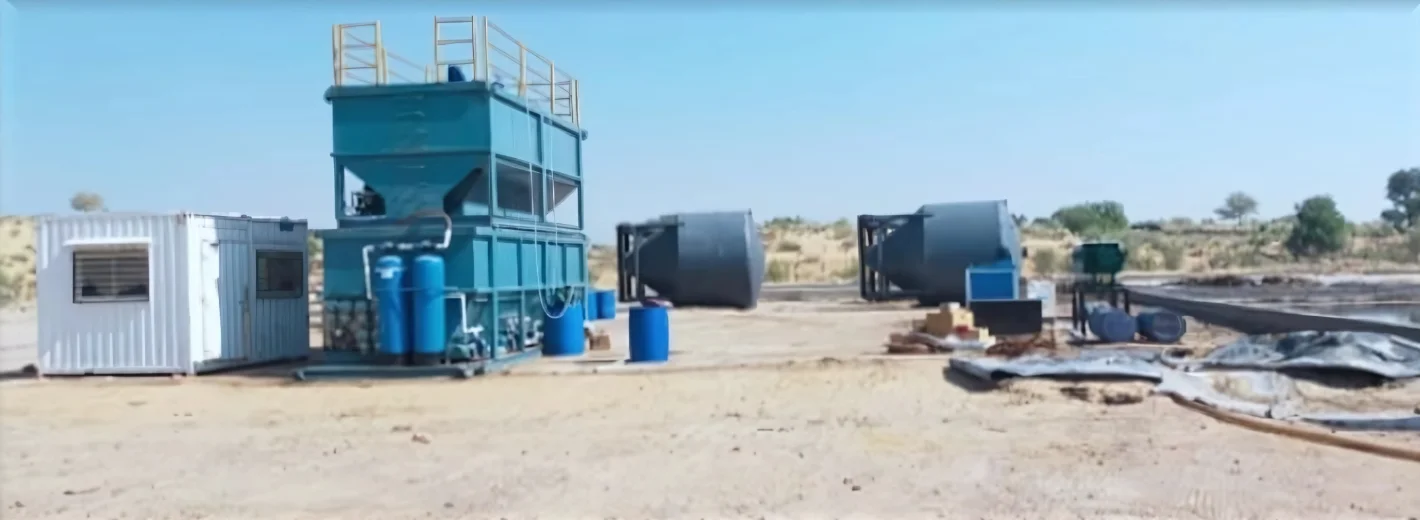
What is an Effluent Treatment Plant?
An Effluent Treatment Plant is a facility used by industries to treat wastewater generated during manufacturing processes. The plant removes harmful contaminants, chemicals, oils, and suspended solids to ensure the treated water meets environmental safety standards.
Unlike municipal treatment systems, an Effluent Treatment Plant is specifically designed to handle industrial effluents that contain complex pollutants. These systems use multiple treatment stages to purify wastewater effectively.
The treated water can either be safely discharged or reused for industrial operations such as cooling, cleaning, or irrigation.
Why Industries Need an Effluent Treatment Plant
Industries across sectors are increasingly adopting Effluent Treatment Plant systems due to strict environmental regulations and sustainability goals.
1. Environmental Protection
Untreated industrial wastewater can severely damage rivers, lakes, and groundwater. An Effluent Treatment Plant ensures contaminants are removed before discharge, protecting ecosystems and natural resources.
2. Regulatory Compliance
Environmental authorities require industries to meet wastewater discharge standards. Installing an Effluent Treatment Plant helps companies comply with guidelines issued by regulatory bodies such as CPCB and SPCB.
3. Water Conservation
Water scarcity is a growing concern worldwide. An Effluent Treatment Plant allows industries to recycle and reuse treated water, reducing dependence on fresh water sources.
4. Cost Efficiency
Recycling treated water can significantly reduce operational costs. Industries using an Effluent Treatment Plant often save money on water procurement and disposal fees.
5. Corporate Sustainability
Organizations implementing sustainable wastewater management through an Effluent Treatment Plant enhance their reputation as environmentally responsible businesses.
Key Features of Petropath Effluent Treatment Plant Systems
Petropath Fluids India Limited designs every Effluent Treatment Plant with advanced engineering and customized solutions tailored to specific industries.
Multi-Stage Treatment Process
Our Effluent Treatment Plant systems include primary, secondary, and tertiary treatment stages. These stages effectively remove suspended solids, organic matter, oils, and dissolved pollutants.
Customized Engineering Design
Every industry produces different types of wastewater. Our Effluent Treatment Plant solutions are customized according to effluent composition, treatment capacity, and regulatory requirements.
Smart Automation
Modern automation is integrated into every Effluent Treatment Plant we build. PLC-based monitoring systems track water quality, flow rates, and chemical dosing in real time, improving efficiency and reducing manual intervention.
Durable Construction
Each Effluent Treatment Plant is constructed using corrosion-resistant materials such as MS, FRP, or stainless steel. This ensures durability and long-term performance even in harsh industrial environments.
Eco-Friendly Operation
Our Effluent Treatment Plant designs minimize sludge generation and maximize water recovery, helping industries adopt sustainable wastewater management practices.
How an Effluent Treatment Plant Works
The working process of an Effluent Treatment Plant involves several stages designed to gradually remove contaminants from wastewater.
1. Preliminary Treatment
The first stage of an Effluent Treatment Plant removes large solids, debris, and floating materials through screening and grit removal.
2. Primary Treatment
In this stage, wastewater enters sedimentation tanks where heavier particles settle at the bottom. Oils and grease are separated from the surface.
3. Biological Treatment
Biological treatment is a crucial stage of the Effluent Treatment Plant where microorganisms break down organic pollutants present in wastewater.
4. Secondary Clarification
The treated water then passes through clarifiers where remaining suspended solids settle and are removed.
5. Tertiary Treatment
Advanced filtration and disinfection processes ensure the final treated water meets environmental standards before reuse or discharge.
Technical Specifications of Petropath ETP Systems
Petropath provides high-performance Effluent Treatment Plant systems designed for diverse industrial applications.
Capacity Range: 5 m³/day – 500 m³/day (customizable)
Treatment Stages: Screening, sedimentation, biological treatment, filtration, disinfection
Effluent Quality:
pH: 6.5 – 8.5
COD Removal: ≥85%
BOD Reduction: ≥90%
Suspended Solids Removal: ≥95%
Construction Materials: MS / FRP / SS
Control System: PLC-based automated or semi-automatic
Compliance: CPCB, SPCB, and MoEF guidelines
These features ensure that every Effluent Treatment Plant delivers consistent and reliable performance.
Industrial Applications of Effluent Treatment Plants
Petropath provides Effluent Treatment Plant solutions for multiple industries where wastewater treatment is critical.
Oil and Gas Industry – Treatment of drilling fluids and produced water.
Chemical and Pharmaceutical Industry – Removal of toxic chemicals and hazardous compounds.
Textile and Dyeing Industry – Elimination of dyes and chemical residues.
Food and Beverage Industry – Treatment of organic-rich wastewater.
Paper and Pulp Industry – Reduction of high BOD and COD levels.
Mining and Steel Industry – Removal of heavy metals and suspended solids.
Automobile Manufacturing – Treatment of oily wastewater and industrial process effluents.
By implementing an Effluent Treatment Plant, these industries can operate responsibly while protecting the environment.
Why Choose Petropath Fluids India Limited
Petropath Fluids India Limited is a trusted provider of industrial wastewater treatment solutions in India.
Proven Expertise
Our team has extensive experience designing and implementing advanced Effluent Treatment Plant systems.
Customized Solutions
We develop industry-specific systems that address unique wastewater challenges.
Premium Engineering Quality
Our Effluent Treatment Plant systems are built with high-quality materials and advanced technologies.
Sustainability-Focused Approach
We prioritize water reuse, energy efficiency, and minimal environmental impact.
End-to-End Support
From design and installation to maintenance and technical support, we provide complete lifecycle services.
Conclusion
Industrial wastewater management is no longer optional—it is a critical responsibility for every modern industry. Installing an Effluent Treatment Plant ensures that wastewater is treated effectively before being discharged or reused.
A well-designed Effluent Treatment Plant protects natural water resources, ensures regulatory compliance, and helps industries operate sustainably.
With advanced engineering and decades of expertise, Petropath Fluids India Limited delivers reliable wastewater treatment solutions tailored to industrial needs.
If your organization is looking for efficient and sustainable wastewater management, investing in a high-performance Effluent Treatment Plant is the right step toward a cleaner and more responsible future.
Email: info@ppdrillingfluids.in