

Polyanionic Cellulose Low Viscosity is a critical drilling fluid additive widely used in modern oil and gas operations to achieve precise fluid loss control while maintaining optimal rheology. As drilling environments become increasingly complex, operators demand solutions that ensure wellbore stability, minimize formation damage, and improve drilling efficiency.
The advanced formulation of PAC-LV drilling fluid additive provides a reliable solution for water-based mud systems where low viscosity and high performance are essential. This blog explores the working mechanism, benefits, and applications of this fluid loss control polymer, helping you understand why it is a preferred choice in drilling operations.
⚙️ What is Polyanionic Cellulose Low Viscosity?
Polyanionic Cellulose Low Viscosity is a high-performance, water-soluble polymer designed specifically for controlling fluid loss in drilling fluids. It is engineered to perform effectively in water-based mud systems without significantly increasing viscosity.
Unlike conventional additives, this low viscosity drilling fluid additive ensures smooth fluid flow while forming a thin, durable filter cake that prevents filtrate invasion into formations.
🔬 Working Principle of Fluid Loss Control Polymer
The efficiency of Polyanionic Cellulose Low Viscosity is based on its advanced interaction with drilling fluids:
- Rapid hydration in water-based systems
- Formation of stable colloidal dispersions
- Development of a thin and impermeable filter cake
- Reduction of filtrate penetration into formations
- Maintenance of low viscosity for consistent mud flow
This mechanism makes it a highly effective drilling mud filtration control additive, ensuring superior performance under demanding drilling conditions.
✅ Key Benefits of Polyanionic Cellulose Low Viscosity
✔ Superior Fluid Loss Control
Polyanionic Cellulose Low Viscosity significantly reduces fluid loss, improving drilling fluid efficiency and preventing formation damage.
✔ Maintains Low Viscosity
Unlike other polymers, this low viscosity drilling fluid additive ensures minimal impact on rheological properties, enabling smoother drilling operations.
✔ Enhances Wellbore Stability
By forming a strong filter cake, it strengthens wellbore integrity and prevents collapse in challenging formations.
✔ Reduces Formation Damage
The controlled filtration minimizes invasion into reservoir formations, preserving productivity.
✔ Improves Drilling Efficiency
Optimized fluid properties enhance the rate of penetration and reduce operational downtime.
✔ Easy Mixing and Hydration
Quick dispersion in drilling fluids makes it highly user-friendly in field applications.
✔ Cost-Effective Performance
High efficiency at low concentrations makes this fluid loss control polymer a cost-effective choice.
🛢️ Applications in Drilling Operations
1. Fluid Loss Control
Polyanionic Cellulose Low Viscosity acts as a premium PAC-LV drilling fluid additive, reducing filtrate loss in water-based mud systems.
2. Wellbore Stability
It strengthens borehole walls and prevents instability in permeable formations.
3. Formation Protection
Minimizes filtrate invasion, reducing the risk of formation damage.
4. Low Viscosity Systems
Ideal for operations requiring a low viscosity drilling fluid additive without compromising efficiency.
5. Drilling Fluid Conditioning
Enhances the overall performance and stability of drilling fluids.
🚀 Operational Advantages
🔹 Improved Drilling Performance
The optimized formulation ensures smoother drilling operations and increased efficiency.
🔹 Consistent Mud Properties
Maintains stable rheological behavior, ensuring predictable performance.
🔹 Reduced Operational Risks
Helps prevent issues such as stuck pipe, formation instability, and excessive fluid loss.
🔹 Enhanced Cost Efficiency
Reduces chemical consumption while delivering high-performance results.
🔗 Compatibility with Drilling Systems
Polyanionic Cellulose Low Viscosity is highly versatile and works effectively with:
- Water-based drilling mud systems
- Freshwater and saltwater environments
- Polymer-based drilling fluids
- Bentonite and clay-based mud systems
- Other additives such as starch, PAC variants, and cellulose derivatives
This compatibility makes it a reliable drilling mud filtration control additive across a wide range of drilling conditions.
📊 Typical Specifications
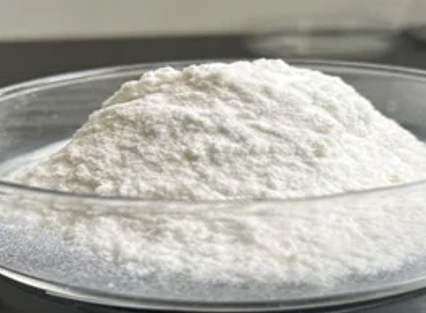
- Appearance: Off-white to cream powder
- Solubility: Fully water soluble
- pH (1% Solution): 6.0 – 8.5
- Moisture Content: ≤ 10%
- Viscosity: Low (LV Grade)
- Application: Fluid loss control
📦 Packaging Options
- 25 kg multi-wall paper bags
- HDPE lined bags
- 1 MT jumbo bags
🏭 Industry Relevance and Demand
The demand for Polyanionic Cellulose Low Viscosity continues to grow due to increasing drilling complexity and the need for efficient fluid management solutions. As operators prioritize performance, cost reduction, and environmental safety, this fluid loss control polymer plays a vital role in modern drilling fluid systems.
Its ability to deliver consistent results across diverse drilling environments makes it a key component in drilling operations worldwide.
📢 Conclusion
Polyanionic Cellulose Low Viscosity stands out as a highly effective solution for fluid loss control in drilling operations. Its unique combination of low viscosity, high efficiency, and excellent compatibility ensures optimal drilling performance while minimizing operational challenges.
For operators seeking reliable and cost-effective drilling fluid additives, this PAC-LV drilling fluid additive provides unmatched value. By enhancing wellbore stability, reducing formation damage, and improving overall efficiency, it remains an essential component in advanced drilling fluid systems.
Looking to enhance your drilling performance with Polyanionic Cellulose Low Viscosity and advanced fluid loss control solutions? Our team is ready to support your operations with high-quality products and technical expertise.