

PP – CMC-LVG
Carboxymethyl Cellulose Low Viscosity: The Smart Solution for Efficient Drilling Fluid Performance
Modern drilling operations require advanced fluid management technologies that can deliver stability, efficiency, and formation protection. Among the most trusted drilling fluid additives available today, Carboxymethyl Cellulose Low Viscosity has emerged as a highly effective solution for controlling filtration loss while maintaining optimal mud properties.
As drilling projects become more technically demanding, operators need additives that enhance drilling performance without negatively affecting rheology. This is where Carboxymethyl Cellulose Low Viscosity plays a vital role. Designed specifically for water-based drilling systems, this specialized polymer helps reduce fluid invasion, improve wellbore integrity, and support efficient drilling operations across a wide range of geological conditions.
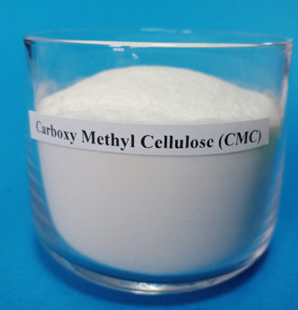
Understanding Carboxymethyl Cellulose Low Viscosity
Carboxymethyl Cellulose Low Viscosity is a water-soluble polymer widely used in oilfield drilling fluids to control filtration and protect permeable formations. Unlike high-viscosity additives that significantly thicken drilling mud, this low-viscosity grade provides excellent filtration control while preserving desirable flow characteristics.
The primary purpose of Carboxymethyl Cellulose Low Viscosity is to form a thin, durable filter cake on the wellbore wall. This protective layer minimizes filtrate invasion into surrounding formations and helps maintain drilling efficiency throughout the operation.
Its unique balance of filtration control and low rheological impact makes it an indispensable component in modern drilling fluid programs.
Why Fluid Loss Control Matters in Drilling Operations
Fluid loss is one of the most critical challenges encountered during drilling activities. Excessive filtrate invasion can lead to formation damage, differential sticking, wellbore instability, and increased operational costs.
By incorporating Carboxymethyl Cellulose Low Viscosity into drilling fluid systems, operators can significantly reduce these risks. The polymer creates a protective barrier that limits fluid penetration while maintaining the overall performance of the drilling mud.
Effective fluid loss management contributes directly to:
- Improved wellbore stability
- Reduced formation damage
- Better drilling efficiency
- Enhanced reservoir protection
- Lower non-productive time
These benefits make Carboxymethyl Cellulose Low Viscosity an essential fluid loss control additive for both conventional and complex drilling environments.
How Carboxymethyl Cellulose Low Viscosity Works
The performance of Carboxymethyl Cellulose Low Viscosity is based on its ability to rapidly hydrate and disperse within water-based drilling fluids.
Once introduced into the mud system, the polymer interacts with fine solids and clay particles to form a stable colloidal structure. This process enables the creation of a thin, flexible filter cake that seals permeable formations effectively.
The result is improved drilling mud filtration control without causing excessive increases in viscosity. This characteristic is particularly important in drilling operations where maintaining flow properties is critical for hydraulic efficiency and cuttings transport.
Key Benefits of Carboxymethyl Cellulose Low Viscosity
Superior Filtration Control
One of the primary advantages of Carboxymethyl Cellulose Low Viscosity is its exceptional ability to reduce filtrate loss. The polymer creates an effective barrier that minimizes fluid invasion into permeable formations.
Maintains Low Mud Viscosity
Unlike many filtration control additives, Carboxymethyl Cellulose Low Viscosity maintains desirable rheological properties while delivering strong filtration performance.
Improved Borehole Stability
By reducing fluid penetration and supporting filter cake formation, the product contributes significantly to borehole stability during drilling operations.
Reduced Formation Damage
Protecting productive formations is essential for maximizing reservoir performance. Carboxymethyl Cellulose Low Viscosity helps preserve formation integrity by limiting filtrate invasion.
Cost-Effective Performance
Due to its high efficiency at relatively low concentrations, operators can achieve excellent results while controlling chemical treatment costs.
Applications in Oil and Gas Drilling
Water-Based Mud Systems
The most common application of Carboxymethyl Cellulose Low Viscosity is in water-based drilling fluids where filtration control is a critical requirement.
Reservoir Protection Programs
Operators frequently utilize the additive to minimize formation damage and preserve reservoir productivity during drilling activities.
Directional and Horizontal Drilling
Advanced drilling techniques require consistent mud performance and stable wellbore conditions. This polymer supports those objectives effectively.
Deep Drilling Projects
In deeper wells where fluid management becomes increasingly important, Carboxymethyl Cellulose Low Viscosity provides dependable filtration control throughout the drilling process.
Challenging Geological Formations
The additive performs efficiently in a variety of geological environments, making it suitable for both routine and technically demanding drilling programs.
Product Specifications
Typical characteristics of Carboxymethyl Cellulose Low Viscosity include:
- Appearance: Off-white to cream powder
- Chemical Type: Carboxymethyl Cellulose
- Solubility: Completely water soluble
- pH (1% Solution): 6.0 – 8.5
- Moisture Content: Maximum 10%
- Viscosity Grade: Low Viscosity
- Primary Function: Fluid Loss Control
These properties contribute to consistent field performance and ease of application.
Compatibility with Drilling Fluid Systems
A major advantage of Carboxymethyl Cellulose Low Viscosity is its broad compatibility with commonly used drilling fluid components.
The product performs effectively with:
- Water-based mud systems
- Bentonite-based drilling fluids
- Polymer mud systems
- Freshwater drilling fluids
- Saltwater drilling fluids
- PAC additives
- Starch-based additives
This flexibility allows drilling engineers to integrate the product into various fluid formulations without compromising performance.
Why the Industry Chooses Carboxymethyl Cellulose Low Viscosity
As drilling technology continues to evolve, operators seek additives that can meet increasing performance expectations while maintaining operational efficiency.
Carboxymethyl Cellulose Low Viscosity has become a preferred solution because it delivers:
- Reliable drilling mud filtration control
- Excellent fluid loss reduction
- Stable rheological performance
- Enhanced borehole protection
- Reduced formation damage
- Improved drilling efficiency
- Cost-effective treatment programs
These advantages make it one of the most valuable additives available for modern drilling fluid systems.
Conclusion
Effective filtration control remains a critical factor in successful drilling operations. By utilizing Carboxymethyl Cellulose Low Viscosity, operators can achieve superior fluid loss management, enhanced borehole stability, and improved overall drilling performance.
Whether used in conventional water-based mud systems or advanced drilling applications, Carboxymethyl Cellulose Low Viscosity provides the reliability, efficiency, and formation protection required for today’s demanding oil and gas operations.
Contact Us
Looking for premium-quality Carboxymethyl Cellulose Low Viscosity for your drilling projects?
Petropath Fluids India Ltd.
Email: sales@ppdrillingfluids.in
Phone: +91 98867 88642
Website: www.ppdrillingfluids.in
Our technical team provides expert guidance, customized solutions, and worldwide supply support to meet your operational requirements.