

Hydrometer in Drilling Fluid Testing: Complete Guide to Accurate Fluid Density Measurement
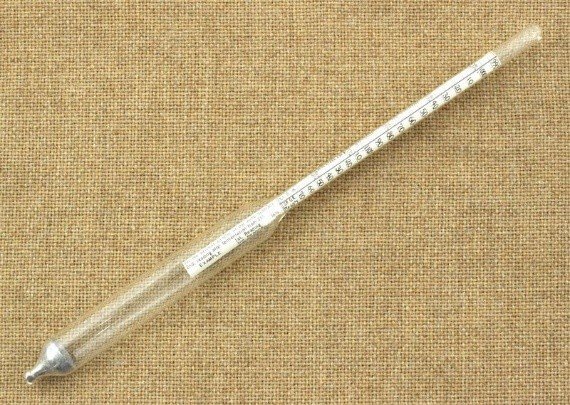
Hydrometer in Drilling Fluid Testing is an important topic for drilling engineers, laboratory technicians, and oilfield professionals who need accurate fluid density measurements for selected drilling applications. Understanding how a hydrometer works, where it should be used, and how it differs from other mud testing equipment helps improve testing accuracy and operational efficiency.
At Petropath Fluids India Limited, we supply high-quality drilling fluid testing equipment that supports reliable laboratory analysis and field operations. This guide explains the features, benefits, applications, and best practices of using a Hydrometer in Drilling Fluid Testing while helping professionals select the right instrument for their testing requirements.
Why Drilling-Fluid Density Matters
Drilling-fluid density, often called mud weight, helps create the hydrostatic pressure needed to control formation pressure and support the wellbore. Fluid that is too light may increase the risk of an influx. Excessive density may contribute to lost circulation, formation damage, slower penetration, or unnecessary solids loading.
Hydrometer in Drilling Fluid Testing should therefore form part of a wider quality-control programme. Depending on the fluid system, engineers may also monitor rheology, filtration, solids content, alkalinity, salinity, and electrical stability.
Accurate drilling fluid density measurement allows engineers to identify changes in the fluid system before they affect well control, equipment performance, or drilling efficiency.
Suitable Applications
Hydrometer in Drilling Fluid Testing is best suited to liquids in which suspended solids do not prevent free flotation or hide the instrument scale.
Common applications include:
- Checking the specific gravity of clear brines and completion fluids
- Testing base oils and selected liquid additives
- Comparing clean laboratory formulations
- Monitoring chemical solutions used in fluid preparation
- Supporting petroleum-engineering training and demonstrations
Weighted mud, cement slurry, thick fluids, and solids-rich samples normally require a mud balance or pressurised density balance.
Key Features of a Reliable Hydrometer
A quality hydrometer should offer a readable scale, stable flotation, resistant markings, consistent calibration, and an appropriate measurement range. Borosilicate glass is commonly used because it provides useful chemical and thermal resistance under normal laboratory conditions.
Hydrometer in Drilling Fluid Testing equipment should include clear operating instructions and, where required, calibration or verification documentation. The reference temperature must also be confirmed because liquid density changes with temperature.
Buyers should verify the following specifications against the approved Petropath product datasheet:
- Measurement range
- Graduation interval
- Permitted accuracy
- Reference temperature
- Hydrometer length
- Glass and ballast material
- Recommended sample-cylinder size
- Calibration or verification documentation
Confirming these specifications helps ensure that the instrument is suitable for the intended fluid and laboratory procedure.
How to Use a Hydrometer Correctly
Select a hydrometer with a scale that covers the expected density. Pour the clean sample into a tall cylinder and remove foam, bubbles, and visible contamination.
Lower the instrument slowly without allowing it to touch the cylinder wall or bottom. Rotate it gently to release surface bubbles, wait until it becomes stable, and read the scale at the specified meniscus position. Record the sample temperature with the result.
Hydrometer in Drilling Fluid Testing gives more repeatable results when the sample is homogeneous, the glass surface is clean, and readings are taken at the calibration temperature or corrected properly.
Proper use of Hydrometer in Drilling Fluid Testing also requires careful washing, drying, inspection, and protected storage after every test.
Hydrometer Versus Mud Balance
A hydrometer measures density through flotation. A mud balance determines the mass of a fixed fluid volume using a weighted beam. This difference is important when choosing drilling mud density testing equipment.
Hydrometer in Drilling Fluid Testing is convenient for clear brines and low-solids liquids, but it is not normally the preferred device for opaque, weighted, or solids-rich drilling mud.
API field-testing procedures for water-based and nonaqueous drilling fluids use mud balances for density determination. A pressurised mud balance may be selected when entrained air or gas could distort a conventional density reading. correct equipment prevents inaccurate readings and helps engineers maintain dependable drilling-fluid quality control.
Why Choose Petropath Fluids India Limited?
Petropath Fluids India Limited supports oilfield professionals with practical equipment for field and laboratory testing. Customers can receive application-based product selection, durable instruments, suitable accessories, technical guidance, and after-sales assistance.
Choosing Hydrometer in Drilling Fluid Testing equipment from an experienced oilfield supplier helps users create a more complete and reliable testing setup.
Petropath can also support equipment for:
- Mud density measurement
- Drilling-fluid viscosity testing
- Filtration analysis
- Sand-content measurement
- Retort analysis
- Fluid ageing
- Laboratory mixing
- Routine drilling-fluid quality control
This wider equipment range enables laboratories and field teams to evaluate multiple drilling-fluid properties using instruments selected for their specific applications.
Maintenance and Verification
Inspect the hydrometer before every test. Do not use the instrument if the glass is cracked, the ballast is loose, the scale has moved, or the markings are difficult to read.
Oil films, dried chemicals, and other surface contamination should be removed because they can change how the hydrometer floats.
Hydrometer in Drilling Fluid Testing should be verified periodically using certified reference liquids or an approved laboratory method. Operators should avoid sudden temperature changes, rough handling, and unprotected storage.
The verification frequency should reflect:
- Frequency of use
- Laboratory quality requirements
- Instrument condition
- Measurement importance
- Manufacturer recommendations
Maintaining proper records of verification, cleaning, and damage inspections can improve traceability and measurement confidence.
FAQs –Hydrometer for Drilling Fluids
Conclusion
Hydrometer in Drilling Fluid Testing can be an economical and convenient method for checking clear brines, base fluids, chemical solutions, and selected low-solids samples. Reliable results depend on proper range selection, temperature control, careful handling, correct meniscus reading, and routine verification.
For whole drilling mud, a calibrated mud balance should be selected according to the required testing procedure. Petropath Fluids India Limited supplies Hydrometer in Drilling Fluid Testing products, mud balances, and supporting oilfield laboratory equipment that help engineers improve fluid consistency, testing reliability, and operational decision-making.
Contact Petropath Fluids India Limited to discuss your sample type, density range, testing standard, and field or laboratory equipment requirements.