

Polyanionic Cellulose Low Viscosity: 7 Powerful Benefits for Better Drilling Performance
Introduction
Modern oil and gas drilling operations require drilling fluids that can control filtration, protect formations, and maintain stable rheological properties under demanding conditions. Polyanionic Cellulose Low Viscosity is an important polymer solution designed to address these requirements, particularly in water-based mud (WBM) systems where effective fluid loss control is needed without significantly increasing viscosity.
Manufactured by Petropath Fluids India Ltd., PP – PAC-LV is engineered as a high-performance polymer for drilling fluid applications. Its low-viscosity characteristics make it suitable for operators looking to achieve reliable filtration control while maintaining efficient mud circulation.
But what makes this polymer valuable for modern drilling operations? Let’s explore its major benefits and applications.
What Is Polyanionic Cellulose Low Viscosity?
Polyanionic Cellulose Low Viscosity is a water-soluble cellulose-based polymer used primarily to control fluid loss in water-based drilling fluids. When properly hydrated and dispersed, the polymer interacts with the solids within the mud system and contributes to the formation of a thin, tough, and low-permeability filter cake.
Unlike highly viscosifying additives, its LV-grade formulation is designed to provide filtration control while helping maintain relatively low mud viscosity. This balance can be particularly useful when drilling conditions demand effective filtration management without excessive changes to fluid rheology.
7 Key Benefits of Polyanionic Cellulose Low Viscosity
1. Excellent Fluid Loss Control
One of the primary functions of Polyanionic Cellulose Low Viscosity is reducing filtrate loss from drilling fluid into permeable formations. Excessive filtrate invasion can contribute to formation damage, unstable wellbores, and other drilling complications.
By supporting the development of an effective filter cake, PAC-LV helps limit fluid penetration and improves the overall performance of the drilling system.
2. Maintains Low Mud Viscosity
A major advantage of this polymer is its ability to provide filtration control without creating excessive viscosity. A low viscosity drilling fluid additive can be beneficial when smooth circulation, efficient pumping, and controlled hydraulic performance are important.
This makes PP – PAC-LV a practical choice for WBM systems where filtration control and rheological balance must work together.
3. Supports Wellbore Stability
Uncontrolled filtrate invasion may interact with sensitive formations and contribute to wellbore instability. Polyanionic Cellulose Low Viscosity helps reduce this risk by improving the filtration characteristics of the drilling fluid.
A stable filter cake can create an effective barrier between the drilling fluid and formation, helping maintain borehole integrity during drilling.
4. Reduces Formation Damage
Formation protection is an important consideration in many oil and gas wells. Excessive filtrate movement can negatively affect productive formations and potentially interfere with reservoir performance.
Through effective filtration control, PAC-LV helps minimize unnecessary filtrate invasion. This makes it a useful component in drilling fluid systems where formation protection is a priority.
5. Enhances Drilling Fluid Performance
Consistent mud properties are essential for efficient drilling. Polyanionic Cellulose Low Viscosity contributes to filtration control while helping maintain the desired rheological profile.
As a PAC LV drilling fluid additive, it can complement other components of water-based mud systems and contribute to improved overall mud stability and performance.
6. Rapid Hydration and Easy Mixing
Efficient preparation of drilling fluids is essential for field operations. A polymer that hydrates effectively can simplify mud treatment and help achieve consistent performance when correctly added to the system.
PP – PAC-LV is designed for convenient incorporation into water-based drilling fluids, making it suitable for demanding operational environments.
7. Cost-Effective Drilling Solution
Efficient filtration control can help reduce problems associated with excessive fluid loss, formation damage, and unstable wellbore conditions. By supporting these critical drilling-fluid functions, PAC-LV can contribute to improved operational efficiency.
For large-scale drilling programs, selecting an effective polymer can therefore provide both technical and economic advantages.
How Does PAC-LV Work in Drilling Fluids?
The performance mechanism of Polyanionic Cellulose Low Viscosity begins with hydration in the aqueous phase of the drilling fluid. Once dispersed, the polymer interacts with suspended solids and helps improve the structure of the filter cake.
During filtration, a thin and relatively impermeable layer develops along the wellbore wall. This layer restricts the movement of liquid into permeable formations while allowing the drilling fluid to maintain suitable flow characteristics.
This filtration-control mechanism makes PAC-LV an effective choice for applications requiring reliable drilling fluid filtration control without unnecessarily increasing viscosity.
Applications of Polyanionic Cellulose Low Viscosity
Polyanionic Cellulose Low Viscosity is primarily used in water-based drilling fluid systems for:
Fluid loss control
Wellbore stability
Formation protection
Low-viscosity drilling systems
Mud conditioning
Filtration control in freshwater and saltwater systems
Polymer, bentonite, and clay-based mud systems
It can also be used alongside compatible drilling-fluid additives such as PAC-R, CMC, starch, and other polymers, depending on the formulation and operational requirements.
Typical Product Specifications
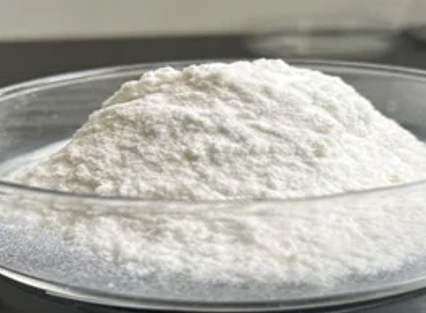
PP – PAC-LV is available with typical specifications including an off-white to cream powder appearance, water solubility, a pH range of approximately 6.0–8.5 in a 1% solution, moisture content of up to 10%, and low-viscosity characteristics.
Actual formulation and application requirements should be evaluated according to the drilling fluid program and field conditions.
Why Choose PP – PAC-LV from Petropath Fluids India Ltd.?
Choosing the right drilling fluid polymer can directly influence filtration performance and mud-system efficiency. Polyanionic Cellulose Low Viscosity from Petropath Fluids India Ltd. is developed for oil and gas drilling applications where dependable fluid loss control and low-viscosity performance are required.
Petropath Fluids India Ltd. provides drilling fluid additives, polymer-based mud chemicals, oilfield specialty chemicals, and laboratory testing equipment designed to support modern drilling operations.
Conclusion
Effective filtration control is essential for maintaining drilling fluid performance, protecting formations, and supporting wellbore stability. Polyanionic Cellulose Low Viscosity provides a practical solution for water-based mud systems by helping control filtrate loss while maintaining low-viscosity characteristics.
From improved filter-cake quality and formation protection to easier mud conditioning and operational efficiency, PP – PAC-LV can play an important role in demanding oil and gas drilling applications.
For drilling operations seeking a reliable fluid loss control drilling fluid additive with low-viscosity performance, PP – PAC-LV offers a balanced polymer solution from Petropath Fluids India Ltd.
Looking for a reliable PAC LV drilling fluid solution?
Get in touch with our experts today to enhance your drilling operations with Polyanionic Cellulose Low Viscosity.