

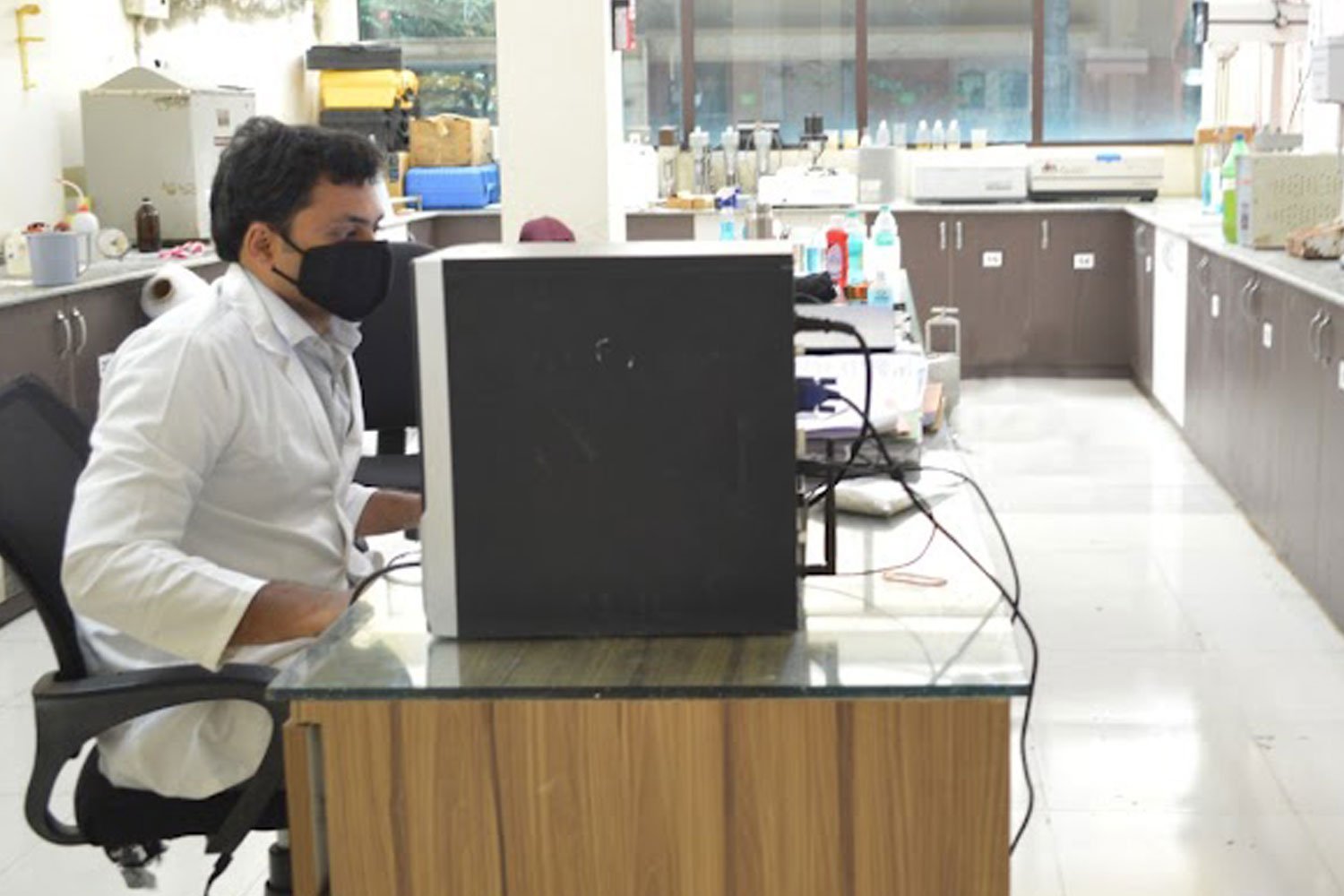
Drilling Fluid Laboratory Excellence for Reliable and Efficient Drilling Operations

In today’s performance-driven oil and gas industry, a Drilling Fluid Laboratory is far more than a supporting facility—it is a strategic asset that directly influences drilling efficiency, operational safety, and cost optimization. Precise laboratory testing ensures drilling fluids perform as designed, protecting the wellbore, enhancing rate of penetration, and minimizing non-productive time.
Petropath Global delivers advanced Drilling Fluid Laboratory solutions that align with international standards and real-world drilling demands. Through API-compliant testing, experienced technical expertise, and accurate reporting, Petropath empowers operators to make confident, data-driven decisions throughout the drilling lifecycle.
Drilling Fluid Laboratory

What Is a Drilling Fluid Laboratory and Why It Matters

Drilling fluids, commonly known as drilling muds, serve several essential functions during drilling operations. They control formation pressure, transport cuttings to the surface, cool and lubricate the drill bit, and maintain wellbore stability. Any deviation in fluid properties can lead to serious drilling challenges.
A Drilling Fluid Laboratory evaluates and optimizes these fluids through systematic testing and analysis. Without laboratory validation, drilling operations face higher risks of stuck pipe, lost circulation, wellbore instability, excessive torque and drag, and costly downtime. Laboratory-backed fluid management ensures consistency, predictability, and operational reliability.

Petropath’s Drilling Fluid Laboratory Capabilities

Petropath’s Drilling Fluid Laboratory is equipped with a comprehensive suite of API-calibrated instruments designed to deliver accurate and repeatable results under varied drilling conditions. Key testing capabilities include density measurement, rheology analysis, filtration control, solids evaluation, and performance testing.
Using advanced equipment such as mud balances, viscometers, filter presses, retort kits, lubricity testers, and aging cells, Petropath provides detailed fluid characterization for both standard and challenging environments. These capabilities allow operators to proactively manage fluid performance and avoid costly operational setbacks.

Role of a Drilling Fluid Laboratory Across the Well Lifecycle

Pre-Drilling Phase

Before drilling begins, a Drilling Fluid Laboratory plays a critical role in fluid system design. Laboratory testing helps evaluate formation characteristics and select the most suitable water-based, oil-based, or synthetic-based mud systems. Petropath supports optimized additive selection to ensure compatibility, stability, and environmental compliance.

Active Drilling Phase

During drilling operations, continuous monitoring through a drilling fluid testing laboratory ensures fluid properties remain within operational limits. Petropath delivers timely analysis and actionable recommendations, enabling rapid corrections that reduce drilling risks, enhance wellbore stability, and improve drilling efficiency.

Post-Drilling Phase

After drilling, laboratory data is reviewed to assess overall fluid performance and capture lessons learned. This information supports future well planning, technical audits, and regulatory documentation while contributing to continuous improvement initiatives.
Advanced Drilling Challenges Addressed by Petropath

Petropath’s Drilling Fluid Laboratory is designed to resolve complex drilling challenges encountered in modern wells. These include shale reactivity, high-temperature and high-pressure environments, lubricity issues in extended-reach wells, and filtration control for formation damage prevention.
Through targeted testing and expert interpretation, Petropath ensures drilling fluids maintain optimal performance under demanding operational conditions. This proactive approach helps operators reduce uncertainty and maintain consistent drilling outcomes.

Compliance with Global Industry Standards

All testing conducted in Petropath’s API drilling fluid laboratory adheres strictly to API Recommended Practices and recognized international standards. This commitment ensures accuracy, repeatability, and regulatory acceptance across global oil and gas operations.
Standardized testing procedures also provide confidence to national and international oil companies, drilling contractors, and regulatory bodies, supporting transparent reporting and operational accountability.

Training and Skill Development Support

Beyond operational testing, Petropath’s Drilling Fluid Laboratory solutions are widely used for professional training and technical skill development. Mud engineers, rig personnel, and engineering students gain hands-on experience with laboratory equipment and testing procedures.
This practical exposure strengthens technical competence, improves decision-making on the rig, and enhances overall drilling performance through better fluid management knowledge.

Future-Ready Drilling Fluid Laboratory Solutions

As drilling technologies evolve, Petropath continues to align its Drilling Fluid Laboratory capabilities with emerging industry trends. These include environmentally responsible fluid systems, sustainable drilling practices, and data-driven laboratory reporting.
By integrating innovation with proven testing methodologies, Petropath ensures its laboratory solutions remain relevant, reliable, and future-ready.

Conclusion

A Drilling Fluid Laboratory is the backbone of efficient and safe drilling operations. Accurate testing, expert analysis, and API-compliant procedures are essential for maintaining wellbore integrity and controlling operational risks. With Petropath’s advanced laboratory solutions, operators gain clarity, confidence, and consistency at every drilling stage.
Petropath stands as a trusted partner in oil and gas drilling fluids testing, delivering precision laboratory services that support smarter, safer, and more efficient drilling worldwide.
We provide worldwide delivery, custom configurations, and technical support tailored to your operational needs.

Leave a Reply