

Reamers in HDD: Types, Uses and Selection Guide for Efficient Drilling
Horizontal Directional Drilling (HDD) has transformed underground construction by enabling trenchless installation of pipelines, cables, and utilities. A critical component that ensures the success of this process is the reamer. Understanding reamers in HDD is essential for achieving accurate borehole enlargement, smooth pipe installation, and overall operational efficiency.
This guide explores different reamer types, their applications, and how to select the right one for optimal performance.
🔩 What Are Reamers in HDD?
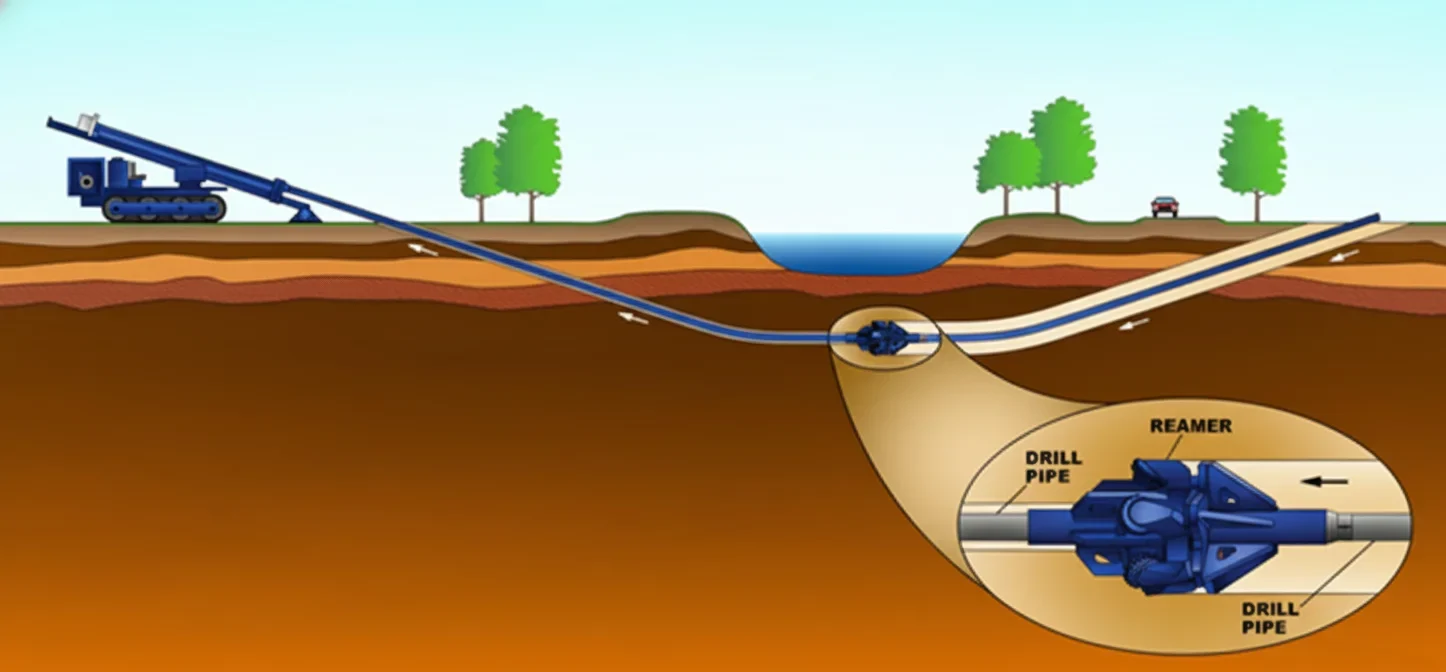
Reamers in HDD are specialized drilling tools used to enlarge a pilot bore hole to the desired diameter before pipe pullback. This step is crucial to ensure that the pipeline or conduit fits properly without resistance or damage.
Key functions include:
- Borehole enlargement
- Removal of drilling cuttings
- Stabilization of the bore path
- Reduction of friction during pullback
Using the correct reamer significantly improves drilling performance and minimizes risks.
⚙️ Types of Reamers in HDD
1. Fly Cutter Reamer
Fly cutter reamers are ideal for soft ground formations and are widely used in basic drilling operations.
Best suited for:
- Clay
- Sand
Key features:
- Radial cutting arms
- Lightweight design
- Low torque requirement
Advantages:
- Cost-effective
- Fast cutting in soft soils
2. Fluted Reamer
Fluted reamers are designed for mixed soil conditions where efficient removal of cuttings is essential.
Best suited for:
- Sand and clay mixtures
Key features:
- Helical grooves
- Enhanced fluid flow
Advantages:
- Prevents clogging
- Ensures smooth bore formation
3. Barrel Reamer
Barrel reamers provide stable and consistent borehole enlargement, making them a reliable choice for many projects.
Best suited for:
- Medium soil formations
- Long-distance drilling
Key features:
- Cylindrical drum structure
- Carbide cutting surfaces
- Integrated jetting nozzles
Advantages:
- Excellent bore stability
- Reduced vibration
- High precision
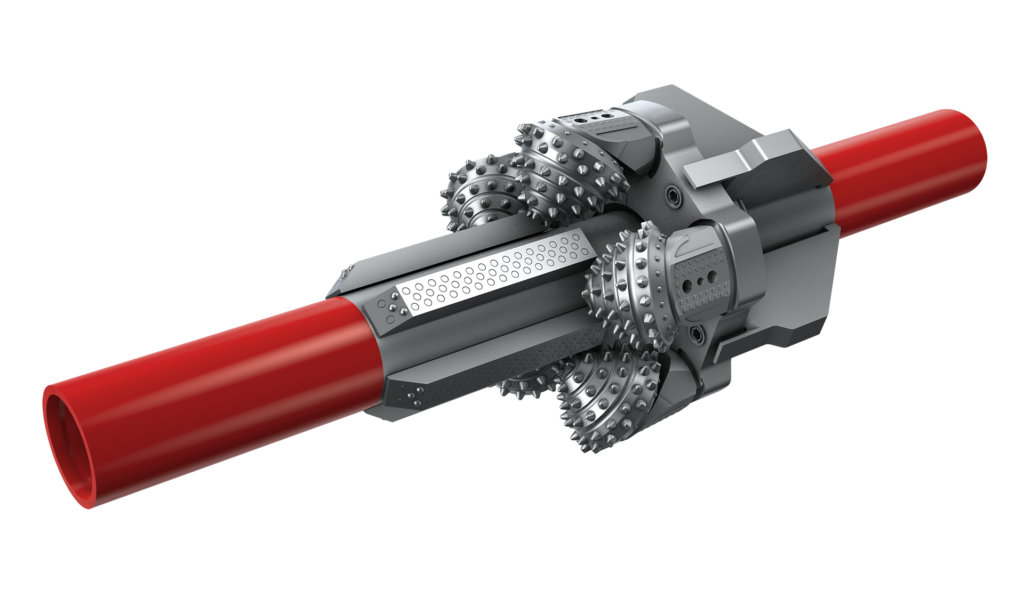
4. Rock Reamer (TCI / Tricone)
Rock reamers are heavy-duty tools designed for extreme drilling conditions.
Best suited for:
- Hard rock
- Shale formations
Key features:
- Tungsten carbide inserts
- Roller cone cutting system
Advantages:
- High durability
- Reliable in harsh environments
5. PDC Reamer
PDC (Polycrystalline Diamond Compact) reamers are advanced tools used for high-performance drilling.
Best suited for:
- Abrasive and hard formations
Key features:
- Diamond cutting elements
- High cutting efficiency
Advantages:
- Faster drilling speed
- Long operational life
6. Expandable (Wing) Reamer
Expandable reamers offer flexibility and adaptability in drilling operations.
Best suited for:
- Variable diameter requirements
Key features:
- Adjustable wings
- Multi-stage expansion
Advantages:
- Reduces tool changes
- Improves project efficiency
🧠 How to Select the Right Reamer in HDD
Choosing the correct reamers in HDD is critical for project success. Here are the main factors to consider:
1. Soil Conditions
Different formations require different tools:
- Soft soils → Fly cutter
- Mixed soils → Fluted or barrel
- Hard rock → Rock or PDC reamer
2. Bore Diameter Requirements
A step-by-step reaming process ensures:
- Controlled enlargement
- Reduced stress on equipment
- Better bore integrity
3. Rig Capacity
Ensure compatibility between:
- Torque capacity
- Pullback force
- Tool size
Using mismatched equipment can lead to operational failures.
4. Drilling Fluid Optimization
Drilling fluid (mud) plays a vital role in HDD operations. Proper fluid design ensures:
- Efficient removal of cuttings
- Borehole stability
- Reduced friction
💡 Best Practices for Using Reamers in HDD
To maximize efficiency and reduce risks, follow these proven practices:
- Perform step reaming instead of single-pass enlargement
- Maintain proper mud viscosity and flow rate
- Monitor torque and pressure continuously
- Use high-quality swivels for smooth pullback
- Ensure proper alignment throughout the drilling process
These strategies significantly enhance performance and extend tool life.
🚀 Benefits of Using the Right HDD Reamers
Using properly selected reamers in HDD provides several advantages:
- Improved drilling efficiency
- Reduced operational risks
- Lower maintenance costs
- Enhanced borehole quality
- Faster project completion
Investing in the right tools leads to long-term project success.
🏗️ Applications of HDD Reamers
Reamers are widely used across multiple industries, including:
- Pipeline installation
- Fiber optic cable laying
- Utility infrastructure projects
- Oil and gas drilling
- Water and sewer systems
Their versatility makes them essential in modern trenchless technology.
📈 Conclusion
Understanding reamers in HDD is key to achieving efficient and reliable drilling operations. From fly cutters for soft soils to PDC reamers for hard formations, each type serves a specific purpose.
Selecting the right reamer based on soil conditions, bore size, and rig capacity ensures:
- Smooth drilling operations
- Reduced downtime
- High-quality installation
By following best practices and using advanced HDD tools, projects can achieve superior performance and long-term success.
Looking for expert guidance in HDD projects?
We offer:
- Reamer selection support
- Complete HDD project solutions
- Drilling fluid optimization
- Customized engineering strategies