

Viscosifier – What Is a Viscosifier & Its Applications in HDD Drilling

What Is a Viscosifier?
Carry cuttings efficiently
Support borehole stability
Prevent fluid loss
Lubricate the drill pipe and bit
A high-quality bentonite viscosifier or polymer ensures drilling proceeds smoothly without interruptions or safety issues.
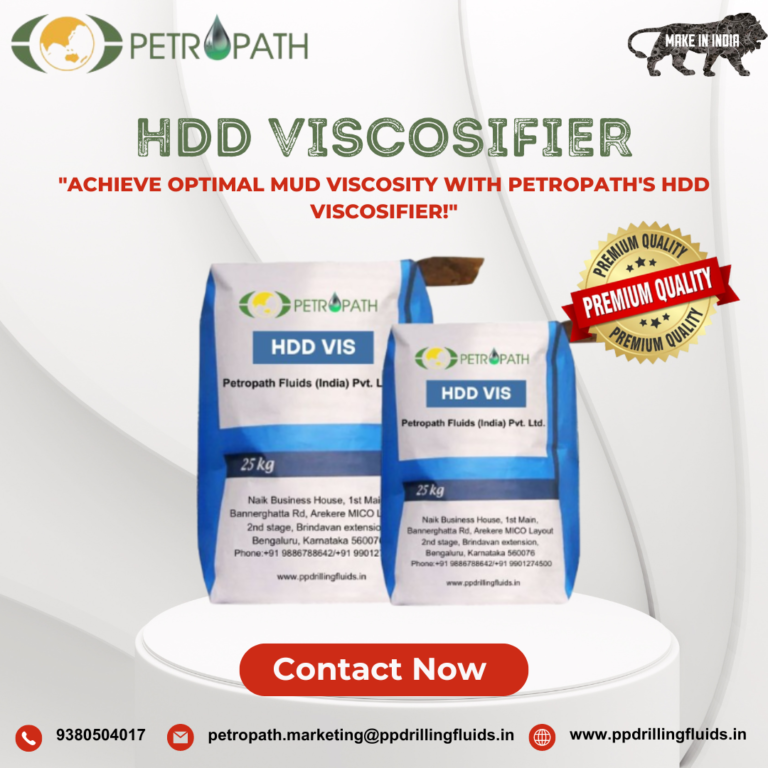
How Does work in HDD?
1. Superior Cuttings Removal
A viscosifier thickens the drilling fluid, improving its ability to lift and transport cuttings to the surface. This prevents blockages and ensures smoother drilling progress.
2. Improved Borehole Stability
Viscous mud forms a stable film on borehole walls, reducing risks of collapse, erosion, or washouts. This is especially important in sandy, loose, or unstable soil formations.
3. Enhanced Lubrication
With optimal drilling fluid viscosity, friction is reduced between the drill pipe and borehole wall. This results in:
Lower torque
Reduced equipment wear
Longer tool life
4. Suspension of Solids
When circulation stops, a good keeps solids suspended, preventing cuttings from settling at the bottom—critical during tool replacements or ground condition checks.
Applications in HDD
1. Oil & Gas Drilling
In deep drilling environments, this ensures efficient cuttings transport and strong wellbore stability. Bentonite is widely preferred due to its natural thickening abilities.
2. Utility & Infrastructure Installation
From pipelines to fiber optic cables, HDD is crucial in modern infrastructure. A viscosifier keeps the bore path stable, ensuring minimal surface disruption and fast installation.
3. River & Road Crossings
During critical crossings under rivers, highways, and railroads, the helps maintain consistent mud properties—reducing risks of frac-outs or ground disturbance.
4. Geothermal Drilling
In geothermal wells, high-temperature conditions require reliable drilling fluid properties. this help maintain circulation and protect the borehole throughout the process.