

Citric Acid drilling fluid: A Smarter Approach to pH and Calcium Control in Drilling Mud
Citric Acid drilling fluid treatment helps operators manage two important aspects of water-based mud chemistry: excessive alkalinity and dissolved calcium contamination. During drilling, the properties of a circulating fluid can change as it interacts with formation materials, make-up water, cement residues and other contaminants. If these changes are not identified and corrected appropriately, they may affect the response of polymers, viscosifiers and other additives. A planned treatment programme helps maintain the chemical conditions required by the drilling-fluid formulation, which is the central purpose of a well-designed Citric Acid drilling fluid treatment.
Citric acid is an organic acid with the ability to lower pH and bind calcium ions through chelation. These properties make it useful in selected oilfield mud-treatment applications. For a Citric Acid drilling fluid programme, the objective is not simply to make the mud more acidic. It is to correct a measured chemical imbalance while preserving the fluid properties required for the operation. Product selection, dosage and treatment sequence should therefore be guided by mud testing and the drilling-fluid engineer.
Why pH and Calcium Balance Matter
Water-based drilling fluids are formulated from several components that work together. Clay materials contribute suspension and rheological properties, while polymers and viscosifiers help deliver the required fluid behaviour. Other additives may support filtration control and system stability. The performance of these ingredients can depend on the chemistry of the water phase.
Excessive alkalinity can move a mud system away from its intended operating range. Calcium contamination can create a separate challenge by interacting with clay and selected additives. Depending on the formulation and concentration, these changes may affect viscosity, filtration behaviour, dispersion or the effectiveness of treatment chemicals.
Calcium can enter a circulating system through formation water, drilled formations, make-up water or cement-related contamination. The source and concentration matter because different contamination events may require different responses, including whether a Citric Acid drilling fluid treatment is appropriate. A pH reading by itself does not provide a complete picture of mud chemistry. Operators should also consider calcium measurements and other relevant fluid tests before selecting a treatment.
What Is Citric Acid?
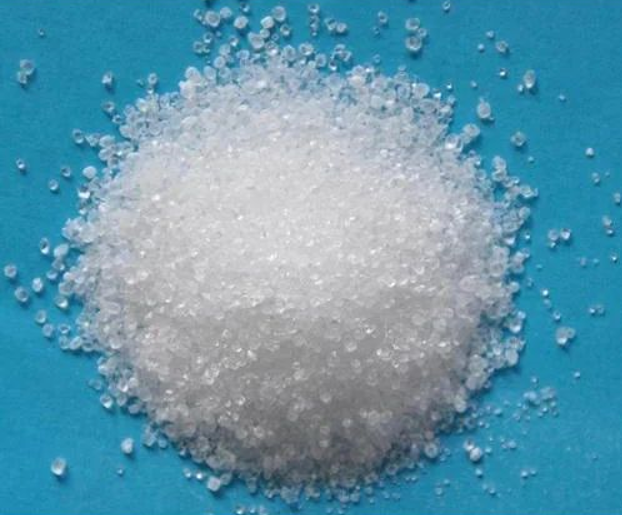
Citric acid is a water-soluble organic acid with the chemical formula C₆H₈O₇. In drilling-fluid applications, it can serve as a pH-reducing and calcium-control additive. Petropath Fluids India Ltd. describes its PP – CITRIC ACID product as a white crystalline powder with a minimum purity of 99%, high solubility in water and a pH of approximately 2–3 in a 1% solution. Its listed molecular weight is 192.12 g/mol.
The chemical has two main functions in a mud-treatment programme, which explain its role in a Citric Acid drilling fluid formulation. It contributes hydrogen ions that react with alkaline components and lower pH. It can also bind dissolved calcium ions through chelation, forming complexes that help keep calcium in solution and reduce its interaction with selected mud additives.
These functions are related, but they are not identical. A treatment intended to reduce pH in a Citric Acid drilling fluid programme may not require the same quantity as a treatment intended to manage a particular calcium concentration. The required amount for a Citric Acid drilling fluid application depends on the starting condition of the fluid, the treatment objective and the complete formulation. This measured approach helps keep each Citric Acid drilling fluid adjustment aligned with actual field conditions.
How the Treatment Works
Controlled pH reduction
When citric acid is added to a water-based mud, it reacts with alkaline components and reduces the pH. This can be useful when testing shows that the mud has become more alkaline than the formulation requires. For a Citric Acid drilling fluid treatment, the target pH must be selected for the specific fluid system rather than copied from a general recommendation.
Calcium chelation
Citric acid molecules can bind dissolved calcium ions. This process, known as chelation, reduces the amount of free calcium available to interact with other components. It can help manage calcium contamination that affects the response of polymers, viscosifiers or clay-based systems. The degree of calcium control in a Citric Acid drilling fluid system depends on calcium concentration, competing ions, pH and treatment conditions.
Support for additive performance
By helping manage alkalinity and dissolved calcium, Citric Acid drilling fluid treatment may support the intended function of selected additives. It does not independently guarantee a particular viscosity, filtration rate or drilling result. Those properties in a Citric Acid drilling fluid system depend on the full formulation, solids content, contamination level and operating conditions.
Management of precipitation concerns
Calcium-containing deposits and precipitation can create challenges in fluid systems and equipment. Appropriate chemical management through a Citric Acid drilling fluid programme may help reduce certain calcium-related precipitation issues. The actual outcome in a Citric Acid drilling fluid system depends on the ions present and their concentrations, so operators should avoid treating citric acid as a universal scale inhibitor for every water chemistry.
When Should Drilling Teams Consider It?
A Citric Acid drilling fluid treatment may be considered when routine mud checks identify excessive alkalinity, calcium contamination or a change in additive response consistent with a chemical imbalance. Cement-related contamination is one possible source of changes in pH and calcium. Formation fluids and make-up water may also affect the chemical condition of the circulating system.
Before adding a chemical, the team should establish what has changed. Review the mud history, recent chemical additions, water source and drilling conditions. Test the relevant properties and compare the results with the operating limits for the formulation. This helps determine whether an acid-based treatment is appropriate or whether another corrective action is needed.
A Citric Acid drilling fluid programme should be based on a defined treatment objective. Citric Acid drilling fluid treatment may be used to lower excessive pH, manage dissolved calcium or address both conditions where testing supports that approach. It is not a universal solution for every form of contamination, and compatibility with existing additives should be assessed.
Dosage and Field Treatment Considerations
The product page lists an initial reference dosage of 0.5–2.0 kg/m³, depending on calcium concentration. This range is product guidance, not a fixed dose for every mud system. Actual requirements for a Citric Acid drilling fluid treatment depend on initial alkalinity, calcium level, fluid composition and drilling conditions. Maintenance additions should be adjusted according to repeat testing and the required operating range.
A disciplined field process generally includes:
Test before treatment: Record the initial pH, calcium concentration and other relevant mud properties.
Identify the cause: Review possible contamination sources and recent changes to the fluid system.
Confirm compatibility: Consider the base fluid, polymers, clay materials and other additives already present.
Determine the quantity: Use test results, product guidance and the mud engineer’s recommendation rather than a universal recipe.
Follow approved mixing procedures: Introduce and mix the material using the site’s established chemical-handling process.
Retest the mud: Confirm whether the intended pH and calcium-control objectives have been achieved.
Record the response: Document the quantity used, test results and any changes in fluid behaviour.
Excessive acid addition can move the mud outside its desired pH range and create a new imbalance. The purpose of Citric Acid drilling fluid treatment is controlled correction, not maximum pH reduction. Personnel should consult the product safety documentation and follow site procedures for handling, storage and use.
Compatibility with Water-Based Mud Systems
Petropath identifies PP – CITRIC ACID for water-based drilling mud, polymer-based fluids, and bentonite and clay systems. The product information also notes its use alongside common drilling chemicals such as caustic soda and soda ash within a managed treatment programme.
Compatibility for any Citric Acid drilling fluid application must be considered in the context of the complete formulation. Chemical concentration, order of addition, mixing conditions and water chemistry can influence the response. Where a mud contains several polymers or specialty additives, consult the technical team and carry out suitable checks before applying a treatment at field scale.
A properly managed Citric Acid drilling fluid treatment can help maintain a suitable chemical environment for the selected formulation. This is why testing and measured adjustment are essential to a successful Citric Acid drilling fluid programme. Operators should continue monitoring rheology, filtration and other relevant properties instead of assuming that pH correction alone will resolve every performance issue.
Product Specifications and Packaging
Petropath Fluids India Ltd. lists the following specifications for PP – CITRIC ACID:
| Parameter | Specification |
|---|---|
| Product name | PP – CITRIC ACID |
| Chemical name | Citric Acid (C₆H₈O₇) |
| Appearance | White crystalline powder |
| Purity | 99% minimum |
| Solubility | Highly soluble in water |
| pH of 1% solution | Approximately 2–3 |
| Molecular weight | 192.12 g/mol |
| Application | pH reduction and calcium control |
The product is available in 25 kg bags, 50 kg bags and bulk supply options. Custom packaging may be arranged according to operational requirements. Buyers should confirm current availability, packaging and delivery details directly with the supplier.
Selecting a Drilling Chemical Supply Partner
For oilfield operations, product selection involves more than comparing a chemical name or price. Buyers should review the specification, confirm the intended application, request relevant technical and safety documentation, and discuss expected field conditions with the supplier. Reliable supply and clear technical communication are important when treatment materials are required as part of an active drilling programme.
Petropath Fluids India Ltd. manufactures and supplies drilling-fluid additives, mud engineering chemicals and oilfield specialty chemicals. Its PP – CITRIC ACID product is positioned for pH reduction and calcium control in drilling-fluid applications, including operations that require a carefully managed Citric Acid drilling fluid treatment. Sharing the mud type, test results, estimated quantity and delivery location can help the team respond to a specific requirement.
Conclusion
Maintaining suitable pH and controlling calcium contamination are important parts of water-based drilling-fluid management. Citric acid offers a dual-action approach by reducing alkalinity and chelating dissolved calcium. These functions can help support selected additives and maintain balanced mud chemistry when a Citric Acid drilling fluid treatment is based on proper testing.
For drilling teams seeking a pH-reducing and calcium-control additive, Petropath Fluids India Ltd. offers PP – CITRIC ACID with a stated minimum purity of 99%, high water solubility and multiple packaging options. Consult the technical team to confirm the appropriate product, treatment approach and supply arrangement for your operation.
Contact our team today to request a quote, get technical guidance, or explore customization options for your HTHP testing needs.
We provide worldwide delivery, custom configurations, and technical support tailored to your operational needs.