
Efficient drilling operations demand reliable fluid systems that can maintain stability, reduce fluid loss, and protect sensitive formations. Polyanionic Cellulose (Regular Grade) has become one of the most trusted drilling fluid additives for achieving these goals in challenging oil and gas environments. Designed for advanced drilling applications, this high-performance polymer improves drilling fluid efficiency while enhancing overall wellbore integrity.
Manufactured as PP – PAC-R by Petropath Fluids India Ltd., this premium-grade additive delivers superior filtration control and rheological performance in water-based drilling systems. It is widely used across drilling projects where fluid stability and operational efficiency are critical for successful well construction.
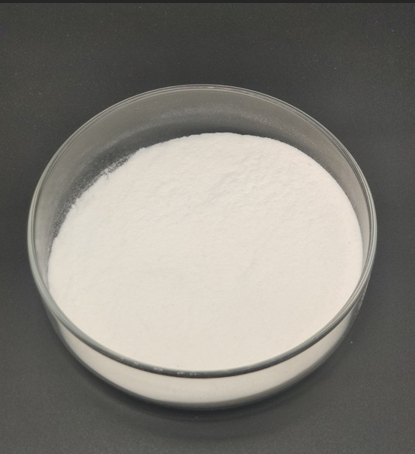
Understanding Polyanionic Cellulose (Regular Grade)
Polyanionic Cellulose (Regular Grade) is a specially modified natural polymer developed for drilling fluid systems. It functions primarily as a filtration control additive drilling fluid solution that minimizes filtrate invasion into permeable formations. The polymer also improves viscosity, supports borehole stability, and enhances suspension properties in drilling mud.
In modern drilling environments, maintaining a balanced fluid system is essential for preventing formation damage and reducing non-productive time. This is where Polyanionic Cellulose (Regular Grade) becomes highly valuable. The additive forms a thin, durable, low-permeability filter cake that controls fluid loss while maintaining smooth drilling operations.
The product is highly effective in PAC R drilling fluid systems because of its rapid hydration and excellent compatibility with water-based mud formulations. Operators rely on this polymer to maintain drilling efficiency under demanding conditions.
Why Drilling Operations Need Effective Filtration Control
Fluid loss during drilling can create serious operational challenges. Excessive filtrate invasion may weaken formations, increase drilling costs, and reduce wellbore stability. Using Polyanionic Cellulose (Regular Grade) helps overcome these issues by improving filtration control and supporting stable mud properties.
As a trusted filtration control additive drilling fluid solution, this polymer reduces fluid penetration into formations while maintaining proper rheology. The result is improved borehole stability and enhanced drilling performance.
Drilling contractors also prefer Polyanionic Cellulose (Regular Grade) because it acts as a reliable drilling mud viscosity modifier. It supports suspension properties that keep drill cuttings effectively transported to the surface.
Key Features of Polyanionic Cellulose (Regular Grade)
Superior Filtration Control
One of the most important benefits of Polyanionic Cellulose (Regular Grade) is its ability to reduce fluid loss in drilling systems. The polymer creates a strong filter cake that minimizes filtrate invasion and protects productive formations.
Enhanced Borehole Stability
Reactive shale and clay formations often create instability during drilling. Polyanionic Cellulose (Regular Grade) strengthens wellbore walls and helps prevent collapse, making it an effective borehole stabilization additive.
Improved Rheology
This advanced drilling mud viscosity modifier improves mud flow behavior and enhances suspension properties. Stable rheology contributes to better hole cleaning and drilling efficiency.
Torque and Drag Reduction
Smooth drilling performance is essential in deep and directional wells. Polyanionic Cellulose (Regular Grade) helps reduce friction and torque, improving overall drilling fluid lubrication.
Easy Mixing and Rapid Hydration
The polymer disperses quickly in drilling mud systems, allowing faster preparation and consistent fluid performance in field operations.
Working Principle of Polyanionic Cellulose (Regular Grade)
The performance of Polyanionic Cellulose (Regular Grade) is based on its advanced polymer structure and interaction with drilling fluids.
When introduced into the mud system, the polymer dissolves rapidly and increases viscosity. It then adsorbs onto formation surfaces and suspended solids, forming a thin and flexible filter cake. This protective barrier reduces filtrate invasion while supporting stable drilling conditions.
The additive also improves lubrication and fluid structure, making it an efficient PAC polymer oil and gas solution for modern drilling environments.
Because of these properties, Polyanionic Cellulose (Regular Grade) is widely used in water based mud additive PAC systems where consistent filtration control is essential.
Applications in Oil and Gas Drilling
Water-Based Drilling Mud Systems
Polyanionic Cellulose (Regular Grade) performs exceptionally well in freshwater and saltwater drilling fluids. Its compatibility with water-based systems makes it suitable for a wide range of drilling applications.
Filtration Control Operations
As a filtration control additive drilling fluid product, the polymer minimizes fluid invasion into permeable formations and improves wellbore protection.
Rheology Enhancement
Operators use Polyanionic Cellulose (Regular Grade) as a drilling mud viscosity modifier to maintain stable mud properties and improve cuttings transport.
Borehole Stability Improvement
The polymer helps stabilize shale formations and prevents wellbore collapse during drilling operations.
Directional and Horizontal Drilling
Because of its lubrication and friction reduction properties, Polyanionic Cellulose (Regular Grade) supports smooth drilling in complex well profiles.
Operational Advantages
Better Wellbore Integrity
Stable wellbores reduce operational risks and improve drilling efficiency. Polyanionic Cellulose (Regular Grade) helps maintain formation stability throughout the drilling process.
Reduced Formation Damage
By minimizing filtrate invasion, the additive protects productive formations and supports long-term reservoir performance.
Lower Operational Costs
Efficient filtration control and reduced torque contribute to lower drilling costs and minimized downtime.
Improved Mud Performance
Consistent rheology and stable fluid properties allow drilling crews to maintain reliable mud performance under varying field conditions.
Enhanced Drilling Efficiency
The polymer improves drilling speed, hole cleaning, and fluid stability, making operations smoother and more productive.
Product Specifications
| Parameter | Specification |
|---|---|
| Product Name | PP – PAC-R |
| Chemical Type | Polyanionic Cellulose (Regular Grade) |
| Appearance | Off-white to cream powder |
| Solubility | Water-soluble |
| pH (1% Solution) | 6.0 – 8.5 |
| Moisture Content | ≤ 10% |
| Application | Filtration control additive |
Packaging Options
Polyanionic Cellulose (Regular Grade) is available in multiple industrial packaging options to support field logistics and storage requirements:
- 25 kg multi-wall paper bags
- HDPE lined bags
- 1 MT jumbo bags
These packaging formats ensure safe transportation and easy handling during drilling operations.
About Petropath Fluids India Ltd.
Petropath Fluids India Ltd. is a leading manufacturer of advanced drilling fluid additives and specialty oilfield chemicals. The company delivers innovative solutions designed for modern drilling challenges across the oil and gas industry.
Its expertise includes:
- Drilling fluid additives
- Mud engineering solutions
- PAC polymer oil and gas products
- Laboratory testing equipment
- Oilfield specialty chemicals
With a strong commitment to quality and performance, the company continues to support efficient and reliable drilling operations worldwide.
Conclusion
Polyanionic Cellulose (Regular Grade) has become an essential component in advanced drilling fluid systems because of its excellent filtration control, rheology enhancement, and wellbore stabilization properties. Its ability to reduce fluid loss, improve lubrication, and support efficient drilling operations makes it a preferred choice for modern oil and gas projects.
From improving mud stability to reducing operational costs, Polyanionic Cellulose (Regular Grade) delivers dependable performance in demanding drilling environments. As drilling operations continue to evolve, high-performance additives like PP – PAC-R remain critical for achieving safe, efficient, and productive well construction.
Looking for high-performance drilling fluid additives and advanced oilfield chemical solutions? Connect with Petropath Fluids India Ltd. for reliable support and customized solutions for your drilling operations.
Get in Touch
Petropath Fluids India Ltd.
Specialists in drilling fluid additives, filtration control polymers, and oilfield specialty chemicals.
- Expert technical assistance
- Custom drilling fluid solutions
- Bulk order support
- Global supply capabilities
- Product consultation for drilling applications
Whether you need support for PAC R drilling fluid systems, filtration control additives, or drilling mud performance enhancement, our technical team is ready to help.