

Core Drilling Services: Unlocking Geological Insights Beneath the Earth's Surface
Core Drilling Services are essential for understanding what lies beneath the ground before important decisions are made in mining, mineral exploration, construction and energy projects. By extracting cylindrical rock samples from underground formations, drilling teams provide geologists and engineers with physical evidence of subsurface conditions. These samples help identify rock types, mineralisation, geological structures, fractures and changes between formations. Reliable Core Drilling Services therefore support better exploration planning, resource evaluation and engineering decisions.
Unlike methods that provide only indirect information about underground conditions, core drilling retrieves samples that can be examined and documented. The quality of the recovered core matters because it influences geological interpretation and the confidence of subsequent project decisions. Careful drilling practices, suitable equipment, experienced crews and consistent sample handling all contribute to useful results. In practical terms, Core Drilling Services connect field operations with the geological information required for planning and evaluation.
What Are Core Drilling Services?
Core drilling is a method of drilling into rock or other subsurface formations using a hollow drill bit, commonly fitted with diamond-impregnated cutting elements. As the bit rotates, it cuts an annular path through the formation and leaves a cylindrical section of material inside the core barrel. The recovered core is brought to the surface for inspection, logging, testing and storage.
Professional Core Drilling Services involve more than operating a drill rig. The work typically includes understanding project objectives, selecting suitable drilling equipment and tooling, preparing the site, carrying out drilling, recovering samples and maintaining accurate records. Depending on the project, drilling may be performed at different angles and depths to investigate a target zone or establish subsurface conditions. The scope of Core Drilling Services should be defined around the information the project needs, not simply the depth of the borehole.
The resulting core provides a continuous or near-continuous record of the formations encountered, subject to recovery conditions. Geologists can examine lithology, alteration, mineralisation, fractures and other features that may not be visible from surface observations alone.
How Does the Core Drilling Process Work?
A successful core drilling programme begins with planning. The project team reviews the target area, required depth, ground conditions, access limitations and the type of information needed. This helps determine the drilling method, rig configuration, core diameter and supporting equipment. Well-coordinated Core Drilling Services begin with a clear drilling plan, suitable tooling and an agreed sample-handling procedure.
During drilling, a hollow drill bit cuts into the formation while the core barrel collects the cylindrical sample. In wireline systems, the inner tube containing the core can be retrieved through the drill rods without removing the entire drill string. This can reduce retrieval time, particularly in deeper drilling programmes, when the equipment and ground conditions are suitable. For deeper programmes, Core Drilling Services may use wireline retrieval to recover the inner tube efficiently where the system and conditions permit.
Drilling fluids may be circulated to cool and lubricate the bit, carry cuttings away from the cutting face and support stable drilling conditions. The fluid system must be selected and managed according to the formation, equipment and project requirements. During these operations, Core Drilling Services must account for fluid selection, circulation and formation response as part of day-to-day drilling control. Once a core run is complete, the sample is recovered, placed in a core tray or box, labelled and recorded. Consistent handling helps preserve the geological information needed for later examination.
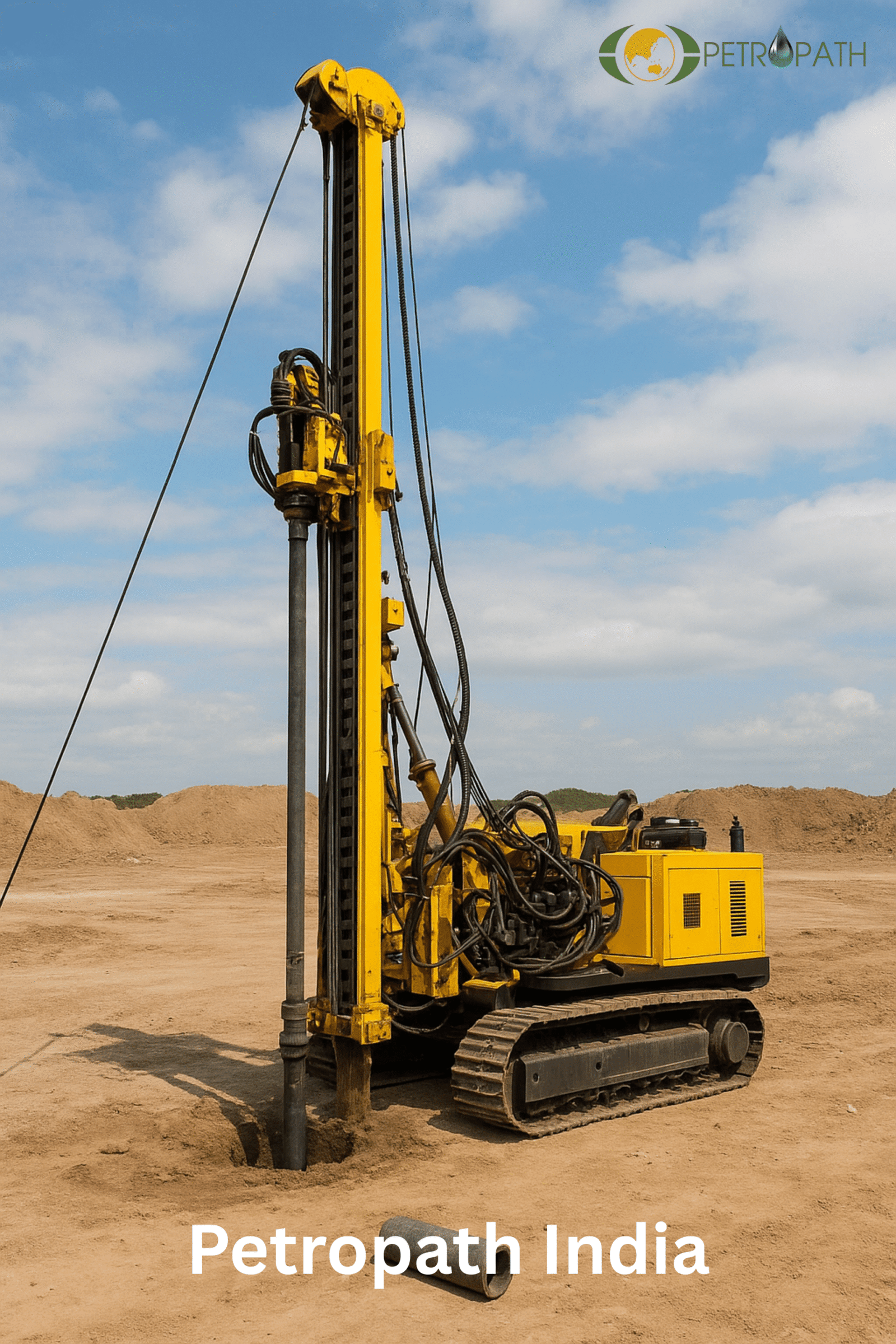
Important Applications of Core Drilling Services
1. Mineral Exploration and Resource Evaluation
Mineral exploration requires reliable information about the location, depth and characteristics of potential deposits. Core samples allow geologists to inspect mineralised zones, identify host rocks and understand how geological features change with depth.
Core Drilling Services support exploration programmes by recovering samples that can be logged and, where required, sent for laboratory analysis. The information helps exploration teams refine geological models, plan additional investigation and assess whether a target warrants further work. Sampling and interpretation must follow an appropriate quality assurance process to produce dependable results. Geologists use the recovered intervals to interpret the deposit, while Core Drilling Services provide the physical samples needed for that work.
2. Geological Core Sampling
Geological core sampling creates a physical record of underground formations. Each recovered section can be examined for rock type, colour, texture, alteration, mineral content, fractures and structural features.
Accurate labelling and organised core storage are important parts of this process. Core boxes should be arranged in sequence, with depth intervals and sample identifiers recorded clearly. This allows geologists to trace observations back to the correct drilling interval and compare findings across boreholes.
3. Geotechnical Investigations for Infrastructure
Before constructing foundations, tunnels, bridges, dams or other major structures, engineers need to understand the ground conditions at the proposed site. Rock strength, discontinuities, weathering and groundwater conditions can influence design and construction methods.
Core Drilling Services provide samples that can support geotechnical logging and laboratory testing. The results help engineers assess subsurface variability and identify conditions that may affect excavation, foundation performance or slope stability. Core drilling is commonly used alongside other site investigation methods, such as borehole logging and in-situ testing, to develop a broader understanding of the ground. For infrastructure investigations, Core Drilling Services should be coordinated with the wider geotechnical investigation programme.
4. Mine Service Hole Drilling
Mining operations may require service holes for ventilation, utilities, access and other operational requirements. These holes must be planned around the mine layout, ground conditions and operational safety requirements. Mine operators may require Core Drilling Services and other specialised drilling activities at different stages of development and operation.
Specialised drilling teams consider the intended purpose, required alignment, depth and site constraints before selecting an appropriate method. Good coordination with mine operations helps minimise disruption and supports safe execution in challenging underground or surface environments.
5. Blast Hole Drilling
Blast hole drilling is used in mining and quarrying to create planned holes for the controlled placement of explosives. Hole position, depth, diameter, spacing and alignment are important factors in blast design.
Although blast hole drilling is different from core drilling because it generally does not aim to recover intact cylindrical rock samples, it is a related drilling requirement in mining projects. The drilling programme must follow the approved blast design and site safety procedures. Accurate execution supports controlled fragmentation and efficient material handling. Where a project includes both sampling and production drilling, Core Drilling Services should be distinguished clearly from blast hole drilling in the work scope.
6. Coal Bed Methane (CBM) Exploration
Coal Bed Methane exploration investigates methane associated with coal seams. Understanding seam depth, thickness, structure and surrounding formations is important when evaluating a CBM prospect.
Core drilling and associated geological investigation can help recover material for examination and characterisation. The collected information may support geological interpretation and decisions about further exploration. Project-specific procedures are necessary because coal formations and gas-bearing conditions require appropriate safety and technical controls. CBM programmes may use Core Drilling Services to obtain geological material for examination, subject to the project’s technical and safety requirements.
7. Exploration Across Challenging Formations
Drilling conditions can vary significantly between locations. Hard, abrasive, fractured or variable formations can affect penetration rates, bit wear and core recovery. Equipment selection and drilling practices must be adapted to the geological conditions rather than relying on one approach for every project.
Experienced Core Drilling Services teams assess the formation response, monitor drilling performance and make suitable operational adjustments. Diamond-impregnated bits, wireline systems and correctly managed drilling fluids may be used where appropriate to maintain efficient progress and protect sample quality.
Why Equipment and Drilling Fluids Matter
The performance of a drilling programme depends on the compatibility of the rig, drill rods, core barrel, bit and supporting systems. Diamond-impregnated bits are commonly selected for hard and abrasive formations because they are designed to cut rock while supporting core recovery. The correct bit specification depends on formation hardness, abrasiveness, drilling conditions and the equipment being used. Selecting appropriate tooling is one of the practical decisions that influences the performance of Core Drilling Services in changing formations.
Drilling fluids also have an important operational role. They can help cool and lubricate the cutting bit, transport cuttings and maintain suitable conditions in the borehole. Fluid properties and circulation practices should be selected for the formation and drilling method. Poorly managed fluid systems can contribute to operational problems, so monitoring and adjustment are important throughout the programme.
Reliable Core Drilling Services combine suitable equipment with careful operating practices. Routine inspection and maintenance of drilling components can help reduce avoidable downtime, while monitoring drilling parameters can help crews identify changing ground conditions.
What to Consider When Selecting a Core Drilling Contractor in India
Choosing a contractor is an important part of planning an exploration or infrastructure project. The lowest quoted price alone may not reflect the overall value or suitability of a drilling proposal. Consider the following factors before appointing a service provider:
Relevant project experience: Check whether the contractor has handled comparable geological formations, drilling depths and project environments.
Equipment suitability: Confirm that the proposed rig, wireline system, core barrels and bits are appropriate for the required work.
Sample recovery and handling: Ask how samples are recovered, labelled, documented, stored and transferred.
Workforce capability: Drilling crews should understand equipment operation, site procedures and the challenges associated with the target formation.
Safety practices: Review risk assessments, site-specific procedures, training and compliance requirements.
Project coordination: Clear communication about progress, drilling intervals, delays and reporting helps keep stakeholders informed.
Technical support: A capable contractor should be able to discuss drilling methods and practical requirements before work begins.
Before mobilisation, Core Drilling Services should be matched to site access, target depth and the required core diameter. When comparing Core Drilling Services providers, review the proposed scope, equipment details, deliverables and project assumptions carefully. Clear expectations help reduce misunderstandings during execution.
Core Drilling Services by Petropath Fluids India Ltd.
Petropath Fluids India Ltd. provides drilling-related services and solutions for exploration, mining, geotechnical and energy applications. Its core drilling offering includes wireline coring systems and diamond-impregnated hollow drill bits for recovering geological samples from suitable formations.
The drilling process involves sample recovery, systematic placement in core boxes and clear labelling to maintain an organised geological record. Drilling fluids and supporting mud systems may be used to cool and lubricate the bit and assist drilling operations, depending on site and formation requirements.
For project owners and exploration teams evaluating Core Drilling Services, it is important to discuss the target formation, required depth, sample objectives, site access and expected reporting before work begins. These details help establish an appropriate scope and identify the equipment and operational approach required for the project. Clear reporting makes Core Drilling Services more useful by connecting recovered samples with depths, observations and project records.
Conclusion
Accurate subsurface information is a foundation for responsible decisions in mineral exploration, mining, construction and energy development. Core samples give geologists and engineers a direct view of underground formations, helping them examine rock characteristics, mineralisation, fractures and geological changes with depth. The usefulness of this information depends on planning, drilling practices, sample recovery and proper documentation.
Well-planned Core Drilling Services bring together suitable drilling technology, trained crews, appropriate fluid systems and disciplined sample handling. Whether a project involves mineral exploration, geotechnical investigation, mine service holes or CBM exploration, selecting a contractor with relevant capabilities and a clear execution plan can make a meaningful difference to project outcomes. Consistent sample protection helps Core Drilling Services deliver geological material that can be reviewed after fieldwork is complete. Core Drilling Services require disciplined sample documentation.
To discuss drilling requirements, contact Petropath Fluids India Ltd.