

Core Lab Services: Understanding the Science Behind Coal Bed Methane Reservoir Potential
Core Lab Services are essential for understanding the characteristics and gas potential of Coal Bed Methane (CBM) reservoirs. Before an exploration project advances towards appraisal or development, operators need reliable information about the amount of gas held in coal seams, how that gas is stored, and how it may behave as reservoir pressure changes. Laboratory analysis of recovered coal samples provides important evidence for these decisions. By combining gas content measurements, coal quality assessment and adsorption studies, Core Lab Services help exploration teams build a more complete picture of subsurface conditions.
Coal Bed Methane is natural gas, primarily methane, associated with coal seams. Unlike many conventional reservoirs, where gas is mainly stored in pore spaces, a significant proportion of CBM is adsorbed onto the internal surfaces of coal. This makes coal rank, moisture, pressure, temperature and desorption behaviour important when evaluating a resource. A well-designed laboratory programme can reduce uncertainty and support decisions about exploration priorities, appraisal activities and future production planning. In this context, Core Lab Services provide the measured data needed to compare samples and assess reservoir characteristics.
What Are Core Lab Services?
Core Lab Services are specialised laboratory investigations performed on rock and coal samples recovered from subsurface formations. In CBM projects, these investigations focus on measuring gas content, identifying gas composition, evaluating coal characteristics and determining how much methane coal can adsorb under controlled conditions.
The process begins with representative sample collection and careful handling. Freshly recovered coal cores may be placed in sealed canisters for desorption measurements, while selected portions are prepared for chemical and physical analysis. Each test answers a different reservoir question. Considered together, the results provide a stronger understanding than any single measurement can offer. A coordinated Core Lab Services programme also helps keep the sample-to-result workflow traceable. Core Lab Services therefore connect field sampling with the laboratory evidence used by geologists and reservoir engineers.
A CBM testing programme may include field desorption studies, borehole site canister desorption, gas content analysis, desorbed gas composition, Total Organic Carbon (TOC), proximate analysis, ultimate analysis and adsorption isotherm studies. The exact combination depends on the project stage, sample condition and information required. Selecting the right Core Lab Services at the outset helps ensure that the testing programme answers the project’s actual geological and reservoir questions.
Why Laboratory Analysis Matters in CBM Reservoir Evaluation
Coal seams can vary considerably over relatively short distances. Differences in rank, moisture, ash content, organic composition, cleat development and burial history can influence gas storage and release. Surface observations and drilling records alone cannot establish all these properties.
A structured laboratory programme helps operators compare coal intervals, estimate gas content and identify areas that may require further appraisal. Results can also provide inputs for geological models and production forecasts. Core Lab Services are an important part of this evaluation, but laboratory measurements should be interpreted alongside geological, drilling, well and reservoir data. No single laboratory result can independently establish the commercial viability of a CBM project. Core Lab Services are most valuable when their findings are integrated with well data, geological interpretation and reservoir engineering.
Key Tests Used in CBM Core Laboratory Analysis
Field Desorption and Borehole Site Canister Desorption
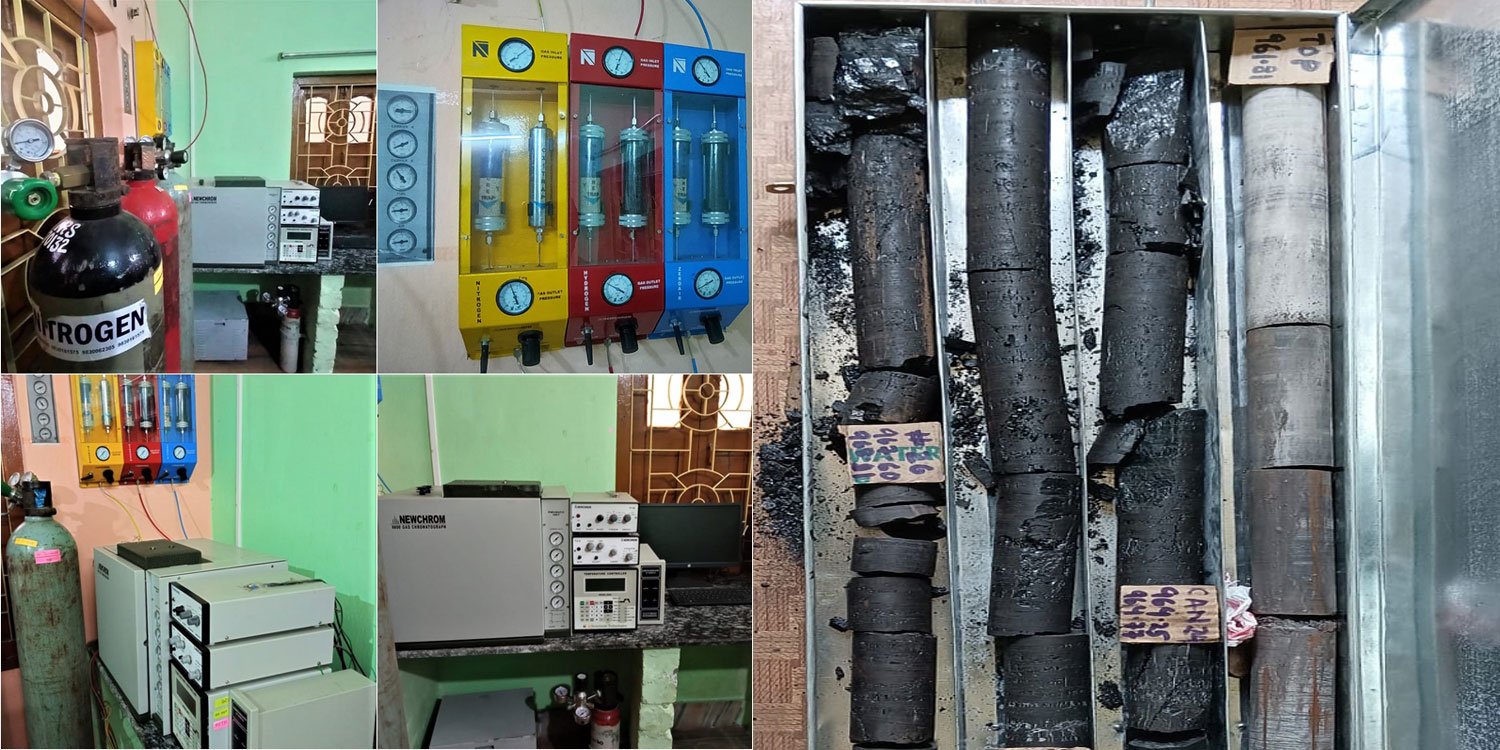
Field desorption studies measure gas released from freshly recovered coal samples over a defined period. After collection, the sample is placed in a suitable sealed canister, and the volume of gas released is recorded at specified intervals. Borehole site canister desorption is particularly important because the sample can begin losing gas as soon as it is brought towards the surface and pressure conditions change.
Recording desorption behaviour helps estimate the gas that was present in the coal before recovery. The quality of the result depends on timely sample handling, accurate depth records, appropriate canister procedures and careful measurement. These studies provide information about gas release over time and help distinguish gas lost during recovery from gas measured later in the laboratory. Accurate canister work is therefore a critical part of Core Lab Services for CBM sample evaluation. For CBM projects, this is one of the most time-sensitive Core Lab Services.
Gas Content Analysis
Gas content analysis estimates the total gas associated with a coal sample. Depending on the adopted method, the assessment may account for gas lost before the sample is sealed, gas measured during desorption and residual gas remaining in the coal after the desorption period.
The resulting estimate is commonly expressed as a gas volume relative to coal mass. It helps compare samples from different depths and identify intervals with differing gas potential. Reliable results depend on representative sampling, accurate mass and volume measurements, and transparent documentation of the calculation method. Core Lab Services use these measurements as one input to reservoir characterisation, not as a standalone prediction of future production.
Desorbed Gas Composition Analysis
The quantity of gas is only one part of reservoir characterisation; its composition also matters. Desorbed gas composition analysis identifies the proportions of methane and other gases released from coal samples.
Composition may change during desorption. Analysing gas collected at different stages can reveal fractionation trends and improve understanding of the gas associated with the coal. This information can support gas-quality assessment, production planning and consideration of gas handling or processing requirements. Results should be interpreted with the sampling method and timing in mind. Including this analysis within Core Lab Services helps teams understand not just how much gas is measured, but also its composition.
Adsorption Isotherm Studies
Coal can store methane on its internal surfaces through adsorption. Adsorption isotherm studies measure the relationship between gas pressure and the amount of gas adsorbed by a coal sample under controlled conditions. Tests may be performed at specified temperatures to represent relevant reservoir conditions.
The resulting data describes the gas-storage behaviour of coal and helps estimate how gas loading may change as pressure is reduced. These measurements are valuable inputs for CBM reservoir modelling and evaluation of potential recovery behaviour. Core Lab Services make these controlled measurements available for comparison with other reservoir data. Results depend on sample preparation, test temperature, pressure range and analytical method. Properly selected Core Lab Services can generate adsorption data that supports reservoir modelling, provided the test conditions are clearly documented. They should be interpreted with an understanding of the sample’s condition and the limitations of the test.
Total Organic Carbon (TOC) Analysis
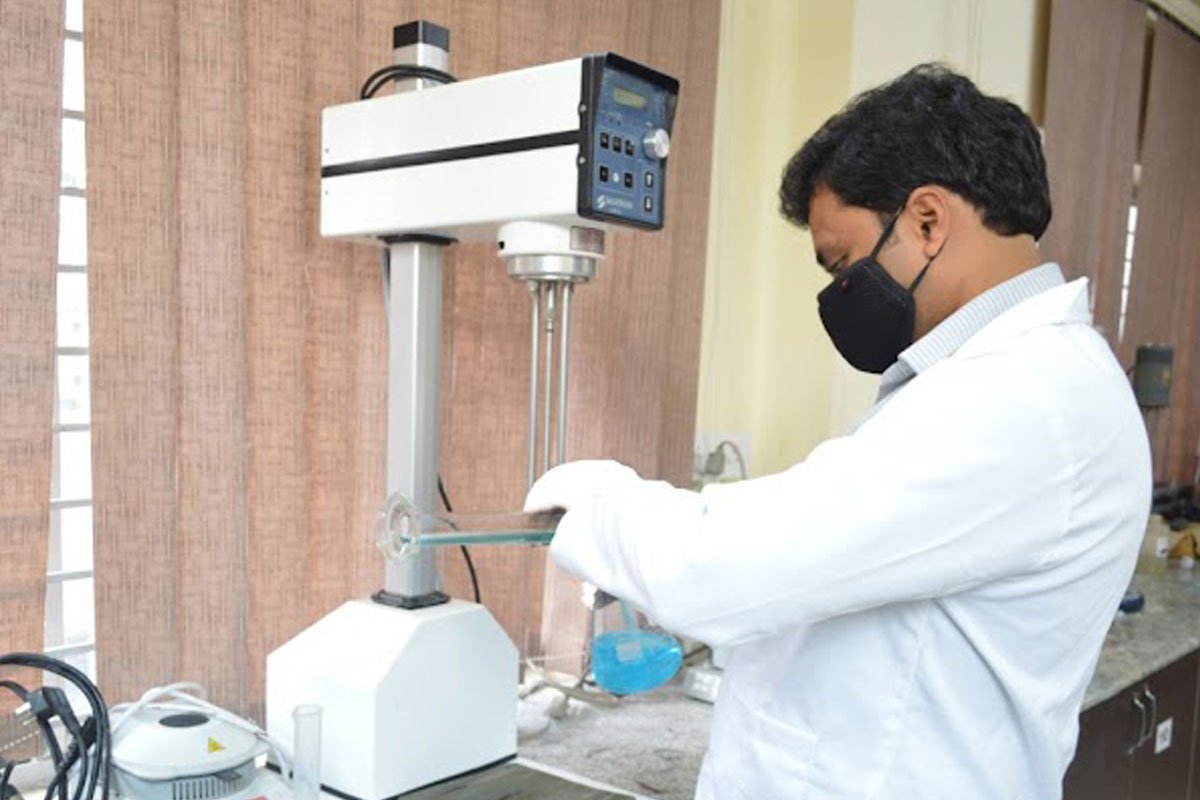
Total Organic Carbon analysis measures the amount of organic carbon in a sample. In coal studies, it contributes to the broader assessment of organic richness and material characteristics.
TOC results can be considered alongside coal rank, proximate and ultimate analysis, petrographic observations and gas measurements. A TOC value alone cannot establish the gas potential of a CBM reservoir; it is one component of a wider geological and geochemical evaluation. Core Lab Services bring these different measurements together to support a more balanced interpretation.
Proximate Analysis
Proximate analysis provides key information about coal quality by measuring parameters such as moisture, volatile matter and ash content. Fixed carbon is commonly determined by difference, depending on the analytical method.
These properties help describe the composition and quality of coal. Moisture and ash, for example, influence how a sample is characterised and compared with other intervals. Proximate analysis provides useful context when interpreting gas content and adsorption measurements.
Ultimate Analysis
Ultimate analysis determines the elemental composition of coal, typically including carbon, hydrogen, nitrogen, sulfur and oxygen. The results provide a more detailed chemical profile of the sample.
When combined with proximate analysis and other measurements, ultimate analysis helps build a fuller picture of coal characteristics. The data can support sample comparison, geochemical interpretation and broader CBM reservoir studies. Used together, these analyses make Core Lab Services more informative than relying on a single coal-quality parameter.
How Laboratory Results Support Exploration and Development Decisions
The value of laboratory testing comes from interpreting results together rather than viewing each test in isolation. Gas content provides an estimate of the gas associated with a sample. Desorption studies show how gas is released over time. Gas composition describes the nature of the released gas, while adsorption isotherms indicate coal’s gas-storage behaviour under controlled conditions. Coal quality tests add important context to these measurements.
Together, these findings can help exploration teams compare coal seams, refine reservoir descriptions and identify areas that need additional investigation. They can provide inputs for resource estimation, reservoir simulation and production forecasting. Commercial decisions, however, also require integration with field data, geological continuity, well performance, development costs, infrastructure and regulatory considerations. Core Lab Services contribute dependable laboratory evidence to this wider technical assessment.
Planning a Reliable CBM Laboratory Programme
A useful testing programme begins before samples reach the laboratory. Project teams should define the target intervals, sample types, required analyses and reporting expectations. Fresh coal samples intended for desorption work need particular attention because delays or unsuitable handling can affect the measurement of gas lost during recovery.
Sample depth, collection time, canister identification, sealing details and transfer records should be documented consistently. The laboratory should explain the required sample quantity, preservation conditions, packaging and transport arrangements. It is also important to confirm which test methods will be used and how units, calculations, uncertainties and assumptions will appear in the final report.
Choosing a laboratory should involve more than comparing the number of tests offered. Operators should assess experience with CBM samples, equipment capability, sample tracking, quality procedures and the clarity of technical reporting. A suitable laboratory partner should explain what each test measures, what conclusions the results can support and where interpretation has limitations. This planning helps Core Lab Services produce data that geologists, reservoir engineers and project managers can use with confidence. It also makes Core Lab Services more efficient by reducing avoidable gaps in sample information and test instructions.
CBM Laboratory Capabilities at Petropath Fluids India Limited
Petropath Fluids India Limited operates a dedicated CBM laboratory in Durgapur, West Bengal, developed to support coal seam gas evaluation. Its testing portfolio includes field desorption studies, gas composition analysis, Total Organic Carbon testing, proximate and ultimate analysis, borehole site canister desorption, gas content analysis, desorbed gas composition studies and adsorption isotherm studies.
These analyses address several aspects of CBM reservoir characterisation, from the amount and composition of gas to the quality and storage behaviour of coal. This integrated approach makes Core Lab Services relevant to both early exploration and more detailed reservoir appraisal. The facility is intended to support operators, researchers and energy companies seeking laboratory data for exploration and reservoir evaluation. Its range of Core Lab Services can be considered when planning a CBM sample testing programme. The combination of coal characterisation, gas measurement and adsorption testing allows Core Lab Services to address several complementary aspects of reservoir evaluation.
The appropriate test package depends on the target basin, sample type, project stage and technical questions to be answered. Discussing these requirements before sample submission helps align laboratory work with the intended evaluation. Clear sample records and a defined scope also make it easier to interpret results in the context of the wider project. Matching the test package to the project’s objectives ensures Core Lab Services deliver relevant rather than unnecessary measurements.
Conclusion
Understanding a Coal Bed Methane reservoir requires more than identifying a coal seam. Operators need dependable information about gas content, gas composition, coal quality and the ability of coal to store methane under reservoir conditions. Laboratory testing provides measurements that help build this understanding and support informed exploration and development decisions.
By combining desorption measurements, gas analysis, adsorption studies and coal characterisation, Core Lab Services provide a structured view of the properties that influence CBM reservoir behaviour. When samples are collected and handled carefully, and laboratory findings are interpreted alongside field and geological data, these services can help reduce uncertainty and strengthen project evaluation.
Petropath Fluids India Limited’s dedicated CBM laboratory in Durgapur offers a range of analytical services for coal seam gas studies. For organisations planning CBM exploration or reservoir assessment, a clearly defined programme of Core Lab Services is an important step towards obtaining meaningful, decision-ready data. A coordinated approach to Core Lab Services helps connect laboratory observations with practical exploration decisions.
Looking for reliable Core Lab Services in India? Contact Petropath – your trusted partner for accurate CBM reservoir analysis.