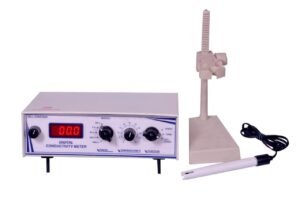

Corrosion Inhibitor for Oil & Gas Lines
Introduction
Corrosion Inhibitor for Oil & Gas Lines is a critical chemical solution used to protect pipelines, flow lines, tubing, and processing equipment from corrosion in upstream, midstream, and downstream oil and gas operations. The oil and gas industry relies heavily on extensive pipeline networks to transport crude oil, natural gas, produced water, and multiphase fluids across production fields, processing facilities, and storage terminals.
Corrosion can cause severe damage to pipelines, flow lines, tubing, casing, and processing equipment. Factors such as carbon dioxide (CO₂), hydrogen sulfide (H₂S), dissolved oxygen, acids, salts, and produced water create highly corrosive environments that accelerate metal degradation. Without proper protection, operators may face equipment failures, production losses, environmental incidents, and costly maintenance programs.
A high-performance Corrosion Inhibitor for Oil & Gas Lines helps safeguard infrastructure by forming a protective barrier on metal surfaces, reducing corrosion rates and ensuring long-term operational reliability.
Why Corrosion Is a Major Challenge in Oil & Gas Operations
Corrosion Inhibitor for Oil & Gas Lines remains one of the leading causes of pipeline failures worldwide. Oilfield production systems constantly encounter aggressive fluids that attack steel surfaces and weaken infrastructure over time.
Some common causes of corrosion in oil and gas pipelines include:
- CO₂ corrosion in production and transportation systems
- H₂S-induced corrosion in sour gas environments
- Oxygen attack in water-handling systems
- Microbiologically influenced corrosion (MIC)
- High salinity produced water
- Elevated temperatures and pressures
The consequences of corrosion can be severe, including leaks, shutdowns, reduced production efficiency, increased maintenance expenses, and safety risks. This is why the use of a dependable Corrosion Inhibitor for Oil & Gas Lines has become a standard practice across upstream, midstream, and downstream operations.
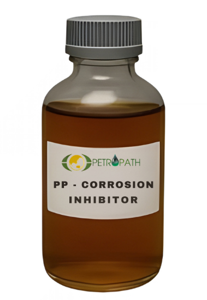
How Corrosion Inhibitors Protect Oil & Gas Pipelines
A Corrosion Inhibitor for Oil & Gas Lines works by creating a thin molecular film on the metal surface. This protective layer acts as a barrier between the steel and corrosive substances present in the fluid stream.
The protection mechanism typically involves:
Surface Adsorption
Active corrosion inhibitor molecules attach strongly to the metal surface through chemical interactions.
Film Formation
The adsorbed molecules organize into a continuous protective layer that covers exposed steel surfaces.
Barrier Protection
The film prevents corrosive agents such as CO₂, H₂S, oxygen, and water from reaching the metal surface.
Corrosion Rate Reduction
The inhibitor significantly slows electrochemical corrosion reactions, helping maintain pipeline integrity and equipment performance.
This advanced protection mechanism makes a Corrosion Inhibitor for Oil & Gas Lines essential for long-term asset preservation.
Key Benefits of Using Corrosion Inhibitors in Oilfield Systems
Selecting the right Corrosion Inhibitor for Oil & Gas Lines control program can deliver substantial operational and financial advantages.
Enhanced Pipeline Protection
Corrosion inhibitors help maintain the structural integrity of pipelines operating under demanding conditions.
Reduced Maintenance Costs
By minimizing metal loss and corrosion damage, operators can reduce repair frequency and maintenance expenditures.
Improved Operational Reliability
Continuous protection ensures smoother operations and minimizes unexpected equipment failures.
Extended Equipment Life
Pipelines, tubing, casing, separators, and process vessels remain in service longer when corrosion is effectively controlled.
Increased Safety
Corrosion prevention reduces the risk of leaks, environmental incidents, and workplace hazards.
A quality Corrosion Inhibitor for Oil & Gas Lines contributes directly to safer and more profitable oilfield operations.
Applications Across the Oil & Gas Industry
Corrosion Inhibitor for Oil & Gas Lines inhibitors are widely used throughout the entire hydrocarbon production and transportation chain.
Oil & Gas Production Systems
- Wellhead protection
- Flow line treatment
- Production tubing protection
- Casing corrosion control
- Downhole chemical treatment
Pipeline Infrastructure
- Crude oil pipelines
- Natural gas pipelines
- Multiphase flow systems
- Gathering networks
- Subsea transportation pipelines
Storage and Transportation Facilities
- Storage tanks
- Tank farm pipelines
- Loading terminals
- Transfer systems
Refinery and Processing Plants
- Process pipelines
- Heat exchangers
- Separation vessels
- Processing equipment
Water Handling Systems
- Produced water pipelines
- Water injection systems
- Disposal water transport networks
The versatility of a Corrosion Inhibitor for Oil & Gas Lines makes it suitable for a wide range of corrosion management applications.
Factors Influencing Corrosion Inhibitor Performance
The effectiveness of corrosion inhibition depends on several operating conditions.
Water Cut
Higher water content generally increases corrosion risk and may require higher treatment rates.
CO₂ and H₂S Concentration
Corrosive gas levels significantly influence corrosion severity and inhibitor selection.
Temperature and Pressure
Extreme operating conditions can impact inhibitor film stability and performance.
Flow Velocity
High fluid velocities may affect the persistence of the protective film.
Existing Corrosion Rates
Monitoring data helps optimize chemical dosage and treatment programs.
Proper field evaluation ensures maximum performance from a Corrosion Inhibitor for Oil & Gas Lines.
Best Practices for Corrosion Control Programs
To achieve effective corrosion management, operators should implement a comprehensive corrosion control strategy.
Recommended practices include:
- Routine corrosion monitoring
- Chemical compatibility testing
- Corrosion coupon analysis
- Field bottle testing
- Regular inspection programs
- Optimized chemical injection rates
- Continuous performance evaluation
Combining these practices with a high-quality Corrosion Inhibitor for Oil & Gas Lines helps maintain long-term system integrity.
Storage and Handling Recommendations
Proper storage and handling are essential for maintaining product effectiveness.
Follow these guidelines:
- Store in a cool, dry, and well-ventilated area
- Keep containers tightly sealed
- Protect from excessive heat and direct sunlight
- Use appropriate personal protective equipment during handling
- Follow site-specific safety procedures
These measures help preserve the performance of the Corrosion Inhibitor for Oil & Gas Lines throughout its storage life.
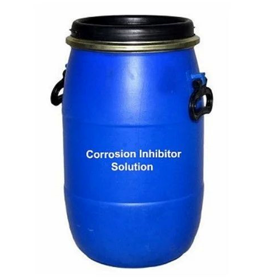
Why Choose Petropath Fluids India for Corrosion Protection Solutions
Petropath Fluids India provides advanced oilfield chemical solutions designed to address complex corrosion challenges across the oil and gas industry. With extensive expertise in production chemicals and pipeline protection technologies, the company supports operators in maintaining asset integrity and improving operational efficiency.
Key advantages include:
- High-performance chemical formulations
- Consistent product quality
- Reliable supply capabilities
- Technical corrosion management support
- Customized solutions for specific field conditions
By choosing a trusted partner, operators can implement effective corrosion control programs that deliver measurable long-term results.
Conclusion
Corrosion Inhibitor for Oil & Gas Lines continues to be one of the most significant threats to oil and gas infrastructure. From production systems and flow lines to transmission pipelines and processing facilities, protecting metal assets is critical for maintaining safety, reliability, and profitability. A high-quality Corrosion Inhibitor for Oil & Gas Lines provides an effective solution by forming a protective barrier against corrosive elements such as CO₂, H₂S, oxygen, and produced water.
With proper selection, monitoring, and application, corrosion inhibitors help reduce maintenance costs, extend equipment life, improve operational safety, and ensure uninterrupted hydrocarbon transportation. For organizations seeking reliable pipeline corrosion protection, investing in an advanced Corrosion Inhibitor for Oil & Gas Lines is a proven strategy for long-term asset preservation and operational excellence.
Looking for reliable Corrosion Inhibitor for Oil & Gas Lines that maximize drilling efficiency and solids control performance?
Petropath Fluids India Ltd. provides customized solutions designed to meet the demands of modern drilling operations.
Email: sales@ppdrillingfluids.in
Phone: +91 98867 88642
Website: www.ppdrillingfluids.in
Worldwide delivery, technical assistance, and tailored configurations are available to support your operational requirements.