

Desilter in Solids Control Systems: Enhancing Drilling Fluid Performance Through Advanced Solids Separation
In modern drilling operations, maintaining the quality of drilling fluids is critical for achieving operational efficiency, reducing costs, and protecting valuable equipment. Among the essential components of a drilling fluid management setup, the Desilter in Solids Control Systems plays a significant role in removing ultra-fine solids that can negatively impact drilling performance. As drilling projects become increasingly complex, the demand for efficient solids control equipment continues to grow across onshore, offshore, geothermal, and unconventional drilling environments.
A properly designed desilter helps operators maintain cleaner drilling fluids, extend equipment life, reduce waste generation, and improve overall drilling productivity. By targeting particles that are too small for shale shakers and desanders to remove, desilters provide the final stage of effective solids control before the drilling fluid is recirculated into the active system.
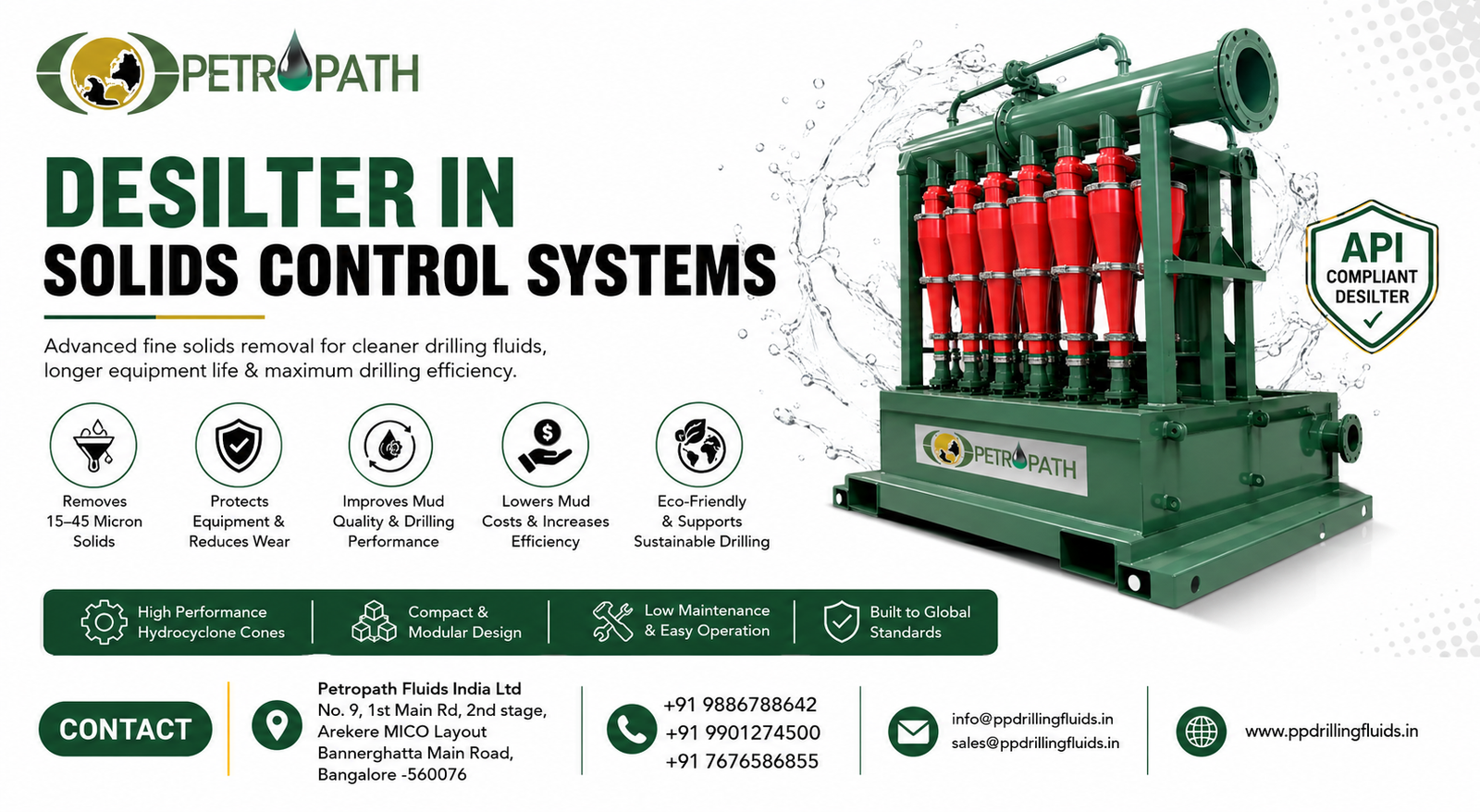
During drilling operations, large volumes of rock cuttings and abrasive particles enter the drilling fluid. These contaminants can affect fluid properties, increase wear on equipment, and lead to costly downtime if not removed efficiently.
The Desilter in Solids Control Systems is strategically positioned downstream of shale shakers and desanders. While upstream equipment removes larger particles, desilters focus on separating ultra-fine solids typically ranging from 15 to 45 microns in size. This separation process ensures that drilling fluids remain within operational specifications and continue to perform effectively throughout the drilling cycle.
By incorporating reliable oilfield desilter equipment, drilling contractors can significantly improve fluid quality and maintain consistent drilling performance across a wide range of applications.
Why Fine Solids Removal Matters
Fine solids are often overlooked because they are not immediately visible. However, their accumulation can create serious operational challenges. Excessive fine solids increase mud density, alter rheological properties, and accelerate wear on pumps, drill bits, and other critical components.
A high-performance Desilter in Solids Control Systems helps prevent these issues by continuously removing unwanted particles before they reach harmful concentrations. Cleaner drilling mud improves hydraulic efficiency, enhances hole cleaning capabilities, and supports stable wellbore conditions.
For drilling operations focused on maximizing productivity and minimizing non-productive time, investing in advanced drilling fluids solids control systems is essential.
Key Features of Modern Desilters
Modern desilters are engineered to deliver reliable performance under demanding drilling conditions. Advanced designs incorporate durable materials and precision manufacturing techniques to ensure long service life and consistent separation efficiency.
Important features include:
Efficient Fine Solids Separation
Designed to remove particles between 15 and 45 microns, desilters provide a critical level of solids control that cannot be achieved through shale shakers or desanders alone.
High-Performance Hydrocyclone Cones
Modern units utilize abrasion-resistant polyurethane or ceramic-lined hydrocyclone cones to withstand continuous exposure to abrasive drilling solids.
Flexible Configuration Options
Desilters are available in multiple configurations, allowing operators to select the appropriate number of cones based on drilling fluid flow requirements.
Compact Design
A compact and modular structure enables easy installation and seamless integration into existing drilling fluids solids control systems.
Low Maintenance Requirements
Replaceable wear components and durable construction reduce maintenance costs while minimizing operational interruptions.
International Standards Compliance
Many systems are designed as API compliant desilter solutions, ensuring compatibility with global drilling industry standards and operational requirements.
Technical Specifications of a Desilter
The performance of a Desilter in Solids Control Systems depends on its design and operational parameters. Typical specifications include:
- Cone Diameter: 4-inch standard, with optional 5-inch or 6-inch configurations
- Particle Separation Range: 15–45 microns
- Operating Capacity: 50–60 GPM per cone
- Working Pressure: 0.25–0.4 MPa
- Flow Rate Capacity: 500–1500 GPM
- Construction Material: Polyurethane or ceramic-lined cones
- Cone Quantity: 8–20 cones depending on system requirements
- Installation Options: Flanged or threaded connections
- Compliance: API and international industry standards
These specifications allow desilters to serve a wide range of drilling environments while maintaining efficient solids removal performance.
Benefits of Using a Desilter in Solids Control Systems
Improved Drilling Fluid Quality
The primary benefit of a Desilter in Solids Control Systems is the continuous removal of harmful fine solids. Cleaner drilling fluids deliver better performance and support stable drilling conditions.
Extended Equipment Life
Fine abrasive particles accelerate wear on pumps, motors, drill bits, and other components. Effective solids removal reduces maintenance requirements and extends equipment lifespan.
Reduced Mud Costs
By improving fluid recycling efficiency, desilters help reduce the need for frequent mud replacement and treatment, resulting in significant cost savings.
Enhanced Drilling Efficiency
Maintaining proper drilling fluid properties allows operators to drill more efficiently while reducing the risk of operational disruptions.
Environmental Sustainability
Modern oilfield desilter equipment supports environmentally responsible drilling by reducing waste volumes and promoting fluid reuse.
Applications Across the Oil and Gas Industry
The versatility of the Desilter in Solids Control Systems makes it suitable for a variety of drilling operations.
Onshore Drilling Operations
Land-based drilling projects rely on desilters to maintain drilling fluid quality and reduce operating expenses.
Offshore Drilling Platforms
Offshore environments demand highly reliable solids control equipment capable of operating under challenging conditions.
Geothermal Wells
Geothermal drilling often generates abrasive solids that require effective separation to protect equipment and maintain drilling performance.
Coal Bed Methane Projects
CBM drilling operations benefit from improved fluid quality and efficient solids management provided by advanced desilter systems.
Mud Recycling Systems
Desilters play a critical role in fluid recovery systems where drilling mud is continuously processed and reused.
Choosing the Right Desilter
Selecting the correct desilter for oil and gas rigs requires evaluating several factors, including flow rate requirements, drilling fluid characteristics, solids loading, and available system space.
Key considerations include:
- Required processing capacity
- Number of hydrocyclone cones
- Cone material and wear resistance
- Maintenance accessibility
- Compatibility with existing equipment
- Compliance with international standards
A properly selected API compliant desilter can significantly improve drilling performance while reducing long-term operating costs
Why Quality Matters in Desilter Performance
Not all desilters offer the same level of efficiency and durability. High-quality systems are manufactured using advanced materials and precision engineering to ensure reliable operation under demanding field conditions.
Choosing a trusted manufacturer helps operators achieve consistent solids removal performance, maximize equipment lifespan, and maintain drilling fluid quality throughout the project lifecycle.
Conclusion
The Desilter in Solids Control Systems remains one of the most important components in modern drilling fluid management. By removing ultra-fine solids that can compromise drilling performance, desilters help maintain cleaner mud, improve operational efficiency, reduce maintenance costs, and support environmentally responsible drilling practices.
Whether used in onshore, offshore, geothermal, or unconventional drilling projects, a high-performance desilter contributes directly to safer, more productive, and cost-effective operations. Organizations seeking reliable solids control solutions can benefit significantly from advanced oilfield desilter equipment, ensuring optimal drilling fluid performance and long-term operational success.
Petropath Fluids India Limited
Address: No. 9, 1st Main Road, 2nd Stage, Arekere MICO Layout, Bannerghatta Main Road, Bangalore – 560076
Phone: +91 98867 88642
Email: sales@ppdrillingfluids.in
Website: www.ppdrillingfluids.in
Worldwide delivery, customized configurations, and technical support available for diverse drilling operations.