

Effluent Treatment Plants: 7 Powerful Solutions for Sustainable Industrial Wastewater Treatment
Industrial wastewater management has become one of the most important environmental responsibilities for modern industries. As regulations become stricter and sustainability takes center stage, businesses need dependable systems that can efficiently treat wastewater while maintaining uninterrupted operations. Effluent Treatment Plants have become the preferred solution for industries seeking reliable, cost-effective, and environmentally responsible wastewater management.
Whether operating in the oil and gas sector, petrochemical facilities, manufacturing plants, or remote drilling locations, investing in advanced Effluent Treatment Plants ensures wastewater is treated safely before discharge or reuse. Combined with innovative Mobile ETP Systems, these solutions provide flexibility, efficiency, and long-term operational benefits.
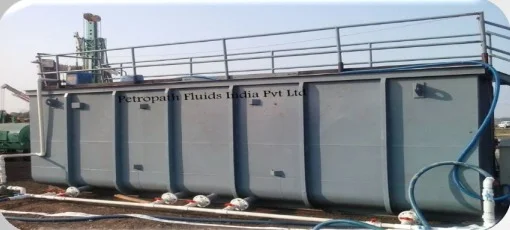
Why Effluent Treatment Plants Are Essential
Every industrial operation generates wastewater containing contaminants such as oils, grease, chemicals, heavy metals, suspended solids, and organic pollutants. If this wastewater is discharged without proper treatment, it can seriously impact ecosystems, groundwater, and public health while exposing businesses to regulatory penalties.
Modern Effluent Treatment Plants are specifically engineered to remove harmful contaminants and ensure treated water complies with environmental discharge standards. These systems not only protect natural resources but also improve operational efficiency by enabling water reuse and reducing disposal costs.
Industries adopting professional Industrial Wastewater Treatment systems demonstrate their commitment to environmental sustainability while protecting their long-term business operations.
How Effluent Treatment Plants Work
A high-performance Effluent Treatment Plant combines multiple treatment stages that work together to remove contaminants from industrial wastewater. Each stage is designed to target specific pollutants and maximize treatment efficiency.
1. Oil-Water Separation
One of the first treatment stages involves separating oil and hydrocarbons from wastewater. High-efficiency oil-water separators remove floating contaminants, protecting downstream equipment and improving overall treatment performance.
This process is particularly important for Oil and Gas Wastewater Treatment, where oil contamination is common during drilling and production activities.
2. Chemical Treatment and Flocculation
Chemical dosing systems introduce coagulants and flocculants that bind suspended particles together. These larger particles settle more easily, significantly improving water clarity while removing dissolved contaminants.
Advanced automation ensures precise chemical dosing, minimizing chemical consumption while maximizing treatment efficiency.
3. Sludge Dewatering
During treatment, contaminants are converted into sludge that requires proper handling. Sludge dewatering systems reduce sludge volume, making transportation and disposal far more economical.
Efficient sludge management also lowers operational costs and supports environmentally responsible waste disposal.
4. Multi-Stage Filtration
The final treatment stage typically includes sand filtration, activated carbon filtration, and polishing filters. These advanced filtration systems remove remaining suspended solids, odor, color, and microscopic contaminants before treated water is discharged or reused.
Together, these technologies make Effluent Treatment Plants highly reliable even in demanding industrial environments.
Mobile ETP Systems: Flexible Wastewater Treatment Anywhere
Industrial operations often take place in remote or temporary locations where permanent wastewater treatment infrastructure is not practical. This is where Mobile ETP Systems provide exceptional value.
Unlike conventional fixed installations, mobile units are designed for rapid deployment, easy transportation, and immediate operation. They deliver treatment performance comparable to permanent facilities while offering unmatched flexibility.
Benefits of Mobile ETP Systems
- Compact and portable design
- Quick installation and commissioning
- Ideal for remote drilling locations
- Suitable for temporary industrial projects
- Lower transportation and installation costs
- Consistent treatment performance
- Easy relocation between project sites
- Reduced maintenance requirements
These advantages make Mobile ETP Systems an ideal solution for companies managing changing project locations without compromising environmental compliance.
Customizable Wastewater Treatment Solutions
No two industries produce identical wastewater. Different contaminants require specialized treatment processes, making customization an essential feature of modern Wastewater Treatment Solutions.
Advanced systems can be configured with:
- Modular treatment stages
- Automated monitoring systems
- Remote monitoring capabilities
- Containerized or skid-mounted designs
- Specialized oil removal technologies
- Capacities ranging from 20 to 1000 cubic meters per day
This flexibility allows businesses to invest in systems that perfectly match their operational requirements while minimizing unnecessary costs.
Applications Across Multiple Industries
Although widely used in the petroleum sector, Effluent Treatment Plants serve numerous industrial applications.
Common industries include:
Oil and Gas Industry
Drilling fluids, production water, and equipment cleaning generate contaminated wastewater that requires professional Oil and Gas Wastewater Treatment before disposal.
Petrochemical Plants
Chemical manufacturing processes produce wastewater containing hydrocarbons and chemical residues that demand advanced treatment technologies.
Refineries
Refinery wastewater often contains oils, suspended solids, and dissolved chemicals that require multiple treatment stages before discharge.
Manufacturing Facilities
Factories producing chemicals, pharmaceuticals, food products, and industrial materials rely on efficient wastewater treatment systems to maintain regulatory compliance.
Remote Industrial Sites
Temporary operations benefit greatly from Mobile ETP Systems, allowing wastewater treatment without constructing permanent facilities.
Technical Features That Improve Performance
Modern Effluent Treatment Plants incorporate advanced engineering that enhances both operational efficiency and long-term reliability.
Key technical highlights include:
- Treatment capacities from 20–1000 m³/day
- Corrosion-resistant construction materials
- Fully modular system design
- Containerized and skid-mounted options
- Automated control panels
- Remote monitoring capabilities
- Integrated sludge handling systems
- Energy-efficient operation
These features reduce downtime while improving overall treatment performance.
Why Industries Choose Petropath
Selecting the right wastewater treatment partner directly impacts operational reliability and environmental compliance.
Petropath delivers comprehensive Wastewater Treatment Solutions backed by extensive industry experience.
Sustainable Engineering
Every system is designed to reduce environmental impact while optimizing water recovery and operational efficiency.
Industry Expertise
Years of experience in Oil and Gas Wastewater Treatment enable Petropath to understand the unique challenges faced by drilling contractors, refineries, and industrial facilities.
Reliable Equipment
Heavy-duty construction ensures dependable operation even under harsh field conditions.
Complete Project Support
From engineering and design to installation, commissioning, maintenance, and technical support, Petropath provides end-to-end project assistance.
Regulatory Compliance
Every Effluent Treatment Plant is engineered to meet stringent environmental regulations, helping businesses avoid penalties while protecting natural resources.
The Future of Industrial Wastewater Treatment
Industries worldwide are embracing smarter wastewater management strategies as sustainability becomes a competitive advantage. Modern Effluent Treatment Plants combine advanced automation, energy efficiency, and environmentally friendly processes to reduce operating costs while improving compliance.
The increasing adoption of Mobile ETP Systems also reflects the industry’s need for flexible, scalable, and efficient wastewater treatment technologies that can adapt to changing project demands.
Organizations investing in innovative Industrial Wastewater Treatment today are better prepared to meet future environmental standards while maintaining profitable operations.
Conclusion
Effluent Treatment Plants are no longer optional—they are an essential investment for industries committed to environmental responsibility, regulatory compliance, and operational excellence. Whether treating refinery wastewater, drilling effluents, petrochemical waste, or industrial process water, these advanced systems deliver reliable purification with long-term economic benefits.
When paired with Mobile ETP Systems, businesses gain the flexibility to manage wastewater efficiently across both permanent and temporary sites. Petropath continues to provide high-quality Wastewater Treatment Solutions that help industries protect the environment, improve operational performance, and achieve sustainable growth.
By choosing advanced Effluent Treatment Plants, organizations can build cleaner operations, reduce environmental impact, and secure a more sustainable future for their business and the communities they serve.
Get in Touch
📞 Phone
- +91 98867 88642
- +91 99012 74500
- +91 76765 86855
🌐 Website