

Polyanionic Cellulose (Regular Grade): 7 Powerful Benefits for Better Drilling Performance
Modern oil and gas drilling operations require drilling fluids that can maintain stable rheology, control filtration, and protect formations under demanding downhole conditions. Polyanionic Cellulose (Regular Grade) is a high-performance polymer developed to support these requirements in water-based drilling fluid systems.
Manufactured by Petropath Fluids India Ltd., this regular-grade polyanionic cellulose is designed to provide reliable filtration control while improving the overall performance of drilling mud. Its ability to create a thin, low-permeability filter cake makes it a valuable additive for maintaining wellbore integrity and reducing fluid invasion.
What Is Polyanionic Cellulose (Regular Grade)?
Polyanionic Cellulose (Regular Grade) is a modified natural polymer widely used as a filtration-control additive in water-based mud systems. It is commonly incorporated into PAC R drilling fluid formulations to control filtrate loss and maintain desirable drilling-fluid properties.
When dispersed in drilling mud, the polymer increases fluid viscosity, improves suspension characteristics, and helps form an effective filter cake across permeable formations. This controlled filtration helps prevent excessive fluid invasion and contributes to better borehole stability.For drilling operations involving reactive shale, clay, and other challenging formations, selecting the right polymer can significantly influence drilling performance.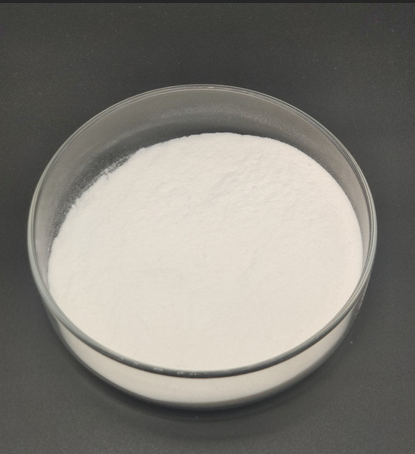
How Does PAC-R Work in Drilling Fluid?
The effectiveness of Polyanionic Cellulose (Regular Grade) comes from its interaction with the liquid phase and fine solids within the drilling fluid.
After being added to a properly conditioned mud system, the polymer disperses in water and contributes to viscosity and fluid structure. It interacts with formation surfaces and fine particles, helping create a thin and relatively impermeable filter cake.
This barrier restricts filtrate from entering permeable formations while allowing the drilling fluid to maintain suitable flow characteristics.
As a result, a well-designed system using Polyanionic Cellulose (Regular Grade) can provide improved drilling mud fluid loss control without unnecessarily increasing solids concentration.
7 Key Benefits of Polyanionic Cellulose (Regular Grade)
1. Excellent Filtration Control
One of the primary functions of Polyanionic Cellulose (Regular Grade) is reducing fluid loss. Controlled filtration is essential for limiting fluid invasion into permeable formations and maintaining drilling-fluid efficiency.
2. Improved Wellbore Stability
Reactive shale and clay formations can create serious drilling challenges. By supporting filtration control and filter-cake development, PAC-R can contribute to improved borehole stability and help reduce instability-related problems.
3. Better Rheology Control
A suitable drilling fluid needs consistent viscosity and suspension properties. Polyanionic Cellulose (Regular Grade) functions as a drilling mud viscosity modifier, helping maintain the desired rheological profile for efficient cuttings transport.
4. Reduced Formation Damage
Excessive filtrate invasion may affect formation characteristics and potentially increase formation damage. Effective filtration control helps minimize unnecessary fluid penetration and supports formation protection.
5. Lower Torque and Drag
Improved fluid properties and filter-cake performance can contribute to smoother drilling conditions. In suitable formulations, Polyanionic Cellulose (Regular Grade) can support reduced friction, torque, and drag during drilling operations.
6. Rapid Dispersion and Easy Mixing
The polymer is designed for practical use in water-based drilling systems. Its water-soluble characteristics allow convenient incorporation into properly prepared mud systems when added according to the required treatment program.
7. Versatile Compatibility
Polyanionic Cellulose (Regular Grade) can be used with freshwater and saltwater-based systems, polymer drilling fluids, and bentonite or clay-based mud formulations. This versatility makes it suitable for different drilling environments.
Applications of Polyanionic Cellulose in Oil & Gas Drilling
The use of Polyanionic Cellulose (Regular Grade) extends across several drilling-fluid applications.
Filtration Control
It is primarily used to reduce filtrate loss and develop an effective filter cake in permeable formations.
Rheology Modification
As a drilling-fluid polymer, it helps adjust viscosity and improve the suspension of drilled solids.
Borehole Stability
The polymer can support stable wellbore conditions by reducing excessive filtrate invasion, particularly in formations sensitive to water interaction.
Formation Protection
Effective drilling fluid filtration control helps reduce unnecessary invasion of liquid into formations, supporting better formation management.
Torque and Drag Management
In properly formulated systems, improved fluid characteristics can contribute to smoother drill-string movement and reduced frictional effects.
Typical Product Specifications
| Parameter | Specification |
|---|---|
| Product Name | PP – PAC-R |
| Chemical Type | Polyanionic Cellulose (Regular Grade) |
| Appearance | Off-white to cream powder |
| Solubility | Water-soluble |
| pH (1% Solution) | 6.0 – 8.5 |
| Moisture Content | ≤ 10% |
| Application | Filtration control additive |
Actual treatment levels should be selected according to mud composition, formation characteristics, temperature, salinity, and required filtration performance.
Why Choose PP-PAC-R from Petropath Fluids India Ltd.?
Polyanionic Cellulose (Regular Grade) from Petropath Fluids India Ltd. is manufactured for drilling-fluid applications where dependable filtration control and consistent mud performance are important.
Petropath Fluids India Ltd. provides solutions for modern drilling operations, including drilling-fluid additives, mud engineering solutions, oilfield specialty chemicals, and laboratory testing equipment.
For operators and drilling-fluid professionals looking for a dependable PAC R drilling fluid additive, PP-PAC-R can be incorporated into suitable water-based mud formulations to support filtration control, rheology management, and wellbore stability.
Conclusion
Effective drilling-fluid management is essential for maintaining drilling efficiency, protecting formations, and controlling operational challenges. Polyanionic Cellulose (Regular Grade) provides a practical solution for filtration control while also supporting rheology, suspension, and wellbore stability.
From reactive formations to conventional water-based mud systems, the right PAC polymer can help improve fluid performance and contribute to smoother drilling operations. With its filtration-control capabilities, compatibility, and versatile application profile, PP-PAC-R from Petropath Fluids India Ltd. is a valuable option for modern drilling-fluid formulations.